 Save
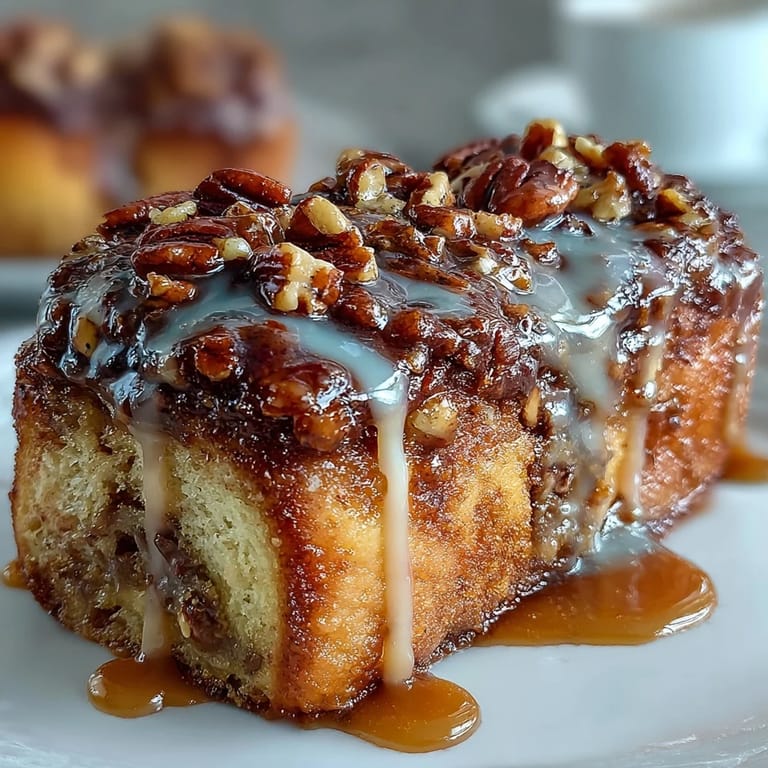
Save My aunt brought these to a Derby Day gathering years ago, and the moment I bit into one, I understood why Southerners guard their pecan pie recipes like family heirlooms. The bourbon glaze hit different that day—golden, glossy, with a whisper of warmth that made everyone reach for seconds. What I loved most was how she'd managed to transform the classic pie into bars, making them shareable without losing a shred of that luxurious, buttery soul.
I made these once for a potluck in May, thinking nobody would notice them among the fruit salads and casseroles. They were gone within twenty minutes, and someone actually asked for the recipe written down. That's when I realized these weren't just another dessert—they were the kind of thing that gets mentioned in conversations weeks later.
Ingredients
- Unsalted butter (1 cup for crust, 2 tablespoons melted for filling): Use good quality butter here because it's the foundation of everything; it's what gives the shortbread its tender, melt-in-your-mouth quality.
- Granulated sugar (1/2 cup for crust): This keeps the crust crisp and light rather than dense and heavy.
- All-purpose flour (2 cups): Measure by spooning and leveling, not scooping straight from the bag, or you'll end up with a tough, dense crust.
- Salt (1/2 teaspoon for crust, 1/2 teaspoon for filling): Salt amplifies the pecan flavor and keeps the sweetness from becoming one-note.
- Eggs (3 large): Room temperature eggs mix more smoothly into the filling and create a silkier texture.
- Packed light brown sugar (1 cup): The molasses in brown sugar gives the filling that deep, caramel-like richness that plain sugar can't match.
- Light corn syrup (1 cup): This prevents the filling from becoming too dense and grainy as it bakes; don't skip it or substitute it.
- Bourbon (2 tablespoons for filling, 2 tablespoons for glaze): The heat of baking mellows the alcohol, leaving just the sophisticated, smoky depth that makes people ask what the secret ingredient is.
- Vanilla extract (1 teaspoon): A small amount rounds out all the flavors without being obvious.
- Pecan halves (2 cups): Buy the best pecans you can find and consider toasting them lightly first—it wakes up their natural nuttiness.
- Powdered sugar (1 cup, sifted): Sifting removes lumps and gives the glaze a silky finish rather than a gritty one.
- Milk (1 to 2 tablespoons): Add it gradually to the glaze until you hit that perfect drizzle consistency; too thick and it won't flow, too thin and it slides right off.
Tired of Takeout? 🥡
Get 10 meals you can make faster than delivery arrives. Seriously.
One email. No spam. Unsubscribe anytime.
Instructions
- Set your oven and prepare the pan:
- Preheat to 350°F and line your 9x13-inch pan with parchment, leaving overhang on two sides so you can lift the whole thing out later without wrestling with it. This small step saves you so much frustration when it's time to cut.
- Build the shortbread crust:
- Cream the softened butter and granulated sugar together until it looks light and almost fluffy—this takes about 2 minutes with an electric mixer. Add the flour and salt, then mix just until a crumbly dough forms; overmixing develops gluten and makes the crust tough rather than tender.
- Bake the crust foundation:
- Press the dough evenly into the pan with your fingertips or the bottom of a measuring cup, then bake for 18 to 20 minutes until it's pale golden. You want it firm enough to hold the filling, but not brown or crispy.
- Prepare the filling while the crust bakes:
- In a large bowl, whisk together the eggs, brown sugar, corn syrup, melted butter, bourbon, vanilla, and salt until everything is smooth and well combined. Stir in the pecan halves gently so they're distributed evenly.
- Combine and bake:
- Pour the filling over the hot crust and return to the oven for 25 to 28 minutes; the filling should be set around the edges but still have a slight jiggle in the very center when you gently shake the pan. This jiggle means it'll continue cooking slightly as it cools and won't end up dense or rubbery.
- Cool with patience:
- Let the bars cool completely in the pan on a wire rack; this isn't a step you can rush. Cutting them warm will cause them to crumble apart.
- Make the bourbon glaze:
- Sift the powdered sugar into a bowl, then whisk in the bourbon and 1 tablespoon of milk until smooth. If the glaze seems too thick, add more milk a teaspoon at a time until it reaches a drizzle consistency that flows but still clings to the bars.
- Finish and cut:
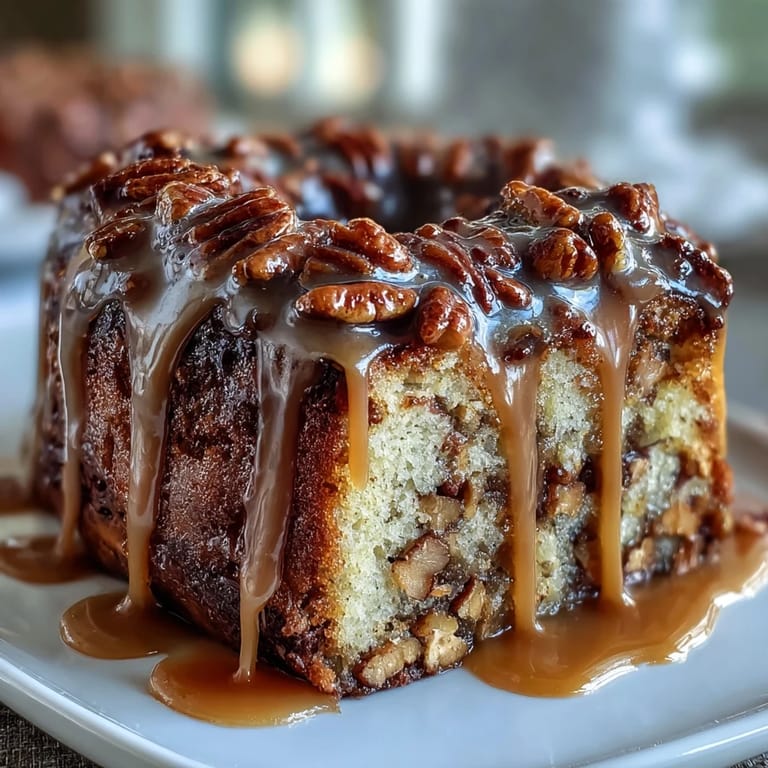
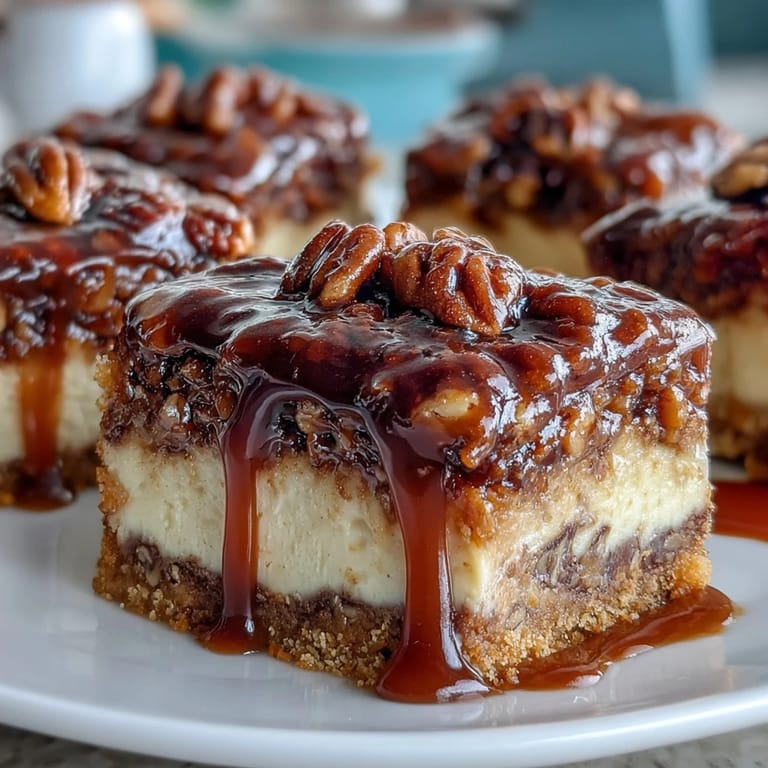
- Drizzle the glaze over the cooled bars in a pattern you like, then let it set for about 15 minutes. Use the parchment overhang to lift the whole slab out of the pan, place it on a cutting board, and cut into 16 bars with a sharp knife dipped in hot water and wiped clean between cuts.
 Save
Save The best compliment I ever got on these was from my neighbor, who said they tasted like Kentucky's famous horse race felt—elegant, a little bit indulgent, and impossible to forget. That's when I realized they'd become the dessert I'm known for among friends.
The Magic of Bourbon in Desserts
Bourbon doesn't announce itself loudly in baked goods; instead, it creates a subtle warmth and depth that makes people lean in closer to figure out what makes these bars taste like something from a fancy restaurant. The alcohol bakes off during cooking, leaving behind only the sophisticated flavor notes. I once tried making these with vanilla instead of bourbon for someone avoiding alcohol, and while they were still good, something unmistakable was missing—a complexity that keeps people thinking about these bars long after they've eaten them.
Why Pecans Matter Here
Pecans have a buttery, almost delicate flavor that contrasts beautifully with the intensity of brown sugar and bourbon. They're softer than walnuts and sweeter than almonds, which means they soak up the filling flavors rather than fighting against them. One afternoon, I tried toasting the pecans before adding them, and the difference was noticeable—they tasted richer and more complex, like someone had turned up the volume on their natural nuttiness.
Storage, Serving, and Making These Your Own
These bars keep beautifully in an airtight container at room temperature for up to three days, though honestly they rarely last that long in my house. Serving them with a dollop of whipped cream or a scoop of vanilla ice cream transforms them from a handheld bar into something that feels like dessert at a dinner party. If you're not comfortable with alcohol, swap the bourbon for apple juice or even a splash of water mixed with a touch of vanilla—the bars will still be delicious, just with a different personality.
- Make these bars a day ahead if you're bringing them to an event; they're easier to cut when they've fully set overnight.
- A sharp knife dipped in hot water between cuts gives you clean edges instead of crumbles.
- For a non-alcoholic version, use apple juice in both the filling and glaze for a slightly sweeter, lighter note.
 Save
Save These Kentucky Derby Pecan Pie Bars have become my answer to the question, "What should I bring?" Because once you make them, you'll understand why they disappear faster than everything else on the table. They're the kind of dessert that makes ordinary days feel a little more special.
Recipe FAQs
- → What type of crust is used in these bars?
A buttery shortbread crust forms the base, providing a tender and crumbly texture that supports the pecan topping.
- → Can the bourbon glaze be made without alcohol?
Yes, bourbon can be substituted with apple juice for a non-alcoholic version while maintaining sweetness and moisture.
- → How should the pecans be prepared for extra flavor?
Lightly toasting the pecan halves before adding them enhances their nutty aroma and crunch.
- → What is the best way to ensure the filling sets properly?
Bake until the filling slightly jiggles in the center, then allow the bars to cool completely so the filling firms up nicely.
- → How can these bars be stored to maintain freshness?
Store in an airtight container at room temperature for up to three days to keep texture and flavor intact.