 Save
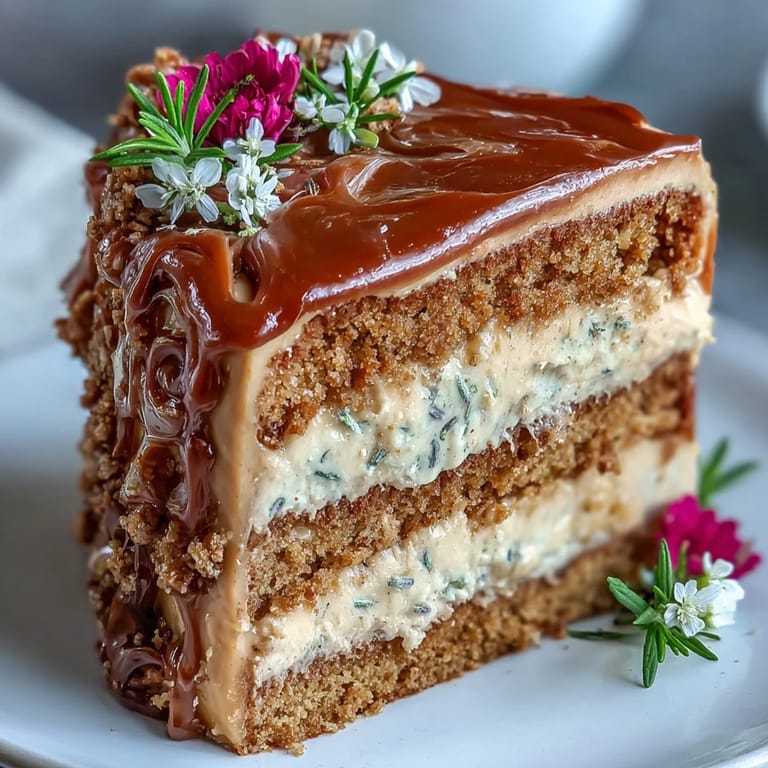
Save There&aposs something almost meditative about making a cake as beautifully grounded and quietly dazzling as this Taurus Cake. The first time I tried layering vibrant, softly hued buttercream with earthy edges, my kitchen was filled with the scent of vanilla and caramelized sugar, each ingredient bringing the season outdoors right onto my table. I remember the gentle hum of my mixer blending butter and sugar, and the thrill of drizzling still-warm butterscotch sauce over the mixing bowl. Building the layers felt like planting flowers in spring: a touch of color here, a flourish of edible petals there. It turned a regular afternoon into something that felt just a bit enchanted, as if the recipe itself invited bit of Taurus patience and artistry in every swirl.
The first crowd I ever served this to was a mixture of old friends and new, and everyone hovered in the kitchen to watch the cake come together. I remember a spontaneous debate over which flower should crown the top, laughter when someone tried gold leaf for the first time, and the hush that fell during the first forkful—like we were all in on a secret celebration of the earth itself.
Ingredients
- All-purpose flour: Use a light touch when measuring so your layers stay airy yet substantial: sift before scooping for the fluffiest crumb.
- Baking powder & baking soda: These make the cakes rise beautifully—just make sure they&apost languishing in a forgotten cabinet, or your layers could fall flat.
- Fine salt: Just a bit brings out the flavors and keeps the sweetness balanced—don&apost skip it.
- Unsalted butter: Having it perfectly soft is non-negotiable for both cake and buttercream; if it&aposs too cold, everything curdles or clumps.
- Packed brown sugar: The deep, caramel notes shine through in both the sponge and the butterscotch sauce, making things taste rich and cozy.
- Eggs (room temperature): Crack them into a little bowl first—sometimes I get double yolks, which always feels lucky.
- Vanilla extract: A generous spoonful rounds out both batter and sauce—taste before adding more so it doesn&apost overpower the florals.
- Sour cream or plain yogurt: These bring silkiness to the crumb; sour cream makes it a touch tangier if you prefer.
- Whole milk: Adds richness; bring to room temperature so your butter doesn&apost seize up in the bowl.
- Butterscotch sauce: This homemade sauce soaks right into the layers—let it cool so your cake stays tender, not soggy.
- Powdered sugar (sifted): Sifting makes for a smooth, silky buttercream—no surprise lumps mid-icing.
- Whole milk (for buttercream): Add only as much as needed for spreadable softness; you&apoll know it&aposs right when your spatula glides easily.
- Culinary rose water: A drop goes a long way; too much, and it tastes like perfume, but just enough is dreamy.
- Culinary dried lavender (optional): Finely ground works best for even flavor—strain for smoothness if you&aposre picky about texture.
- Natural colorants (matcha, beet powder, cocoa powder, turmeric, spirulina): Mix and match these for layers of earthy colors—add a little at a time and watch the shades bloom.
- Edible flowers: Always source from organic, food-safe suppliers—nothing wilted or sprayed.
- Fresh herbs (thyme, mint, rosemary): Strip the leaves just before decorating for the best fragrance.
- Gold leaf or dust (optional): A delicate touch makes the cake positively glow—use tweezers if you want perfectly placed flecks.
Tired of Takeout? 🥡
Get 10 meals you can make faster than delivery arrives. Seriously.
One email. No spam. Unsubscribe anytime.
Instructions
- Get set for magic:
- Preheat your oven to 350°F (175°C), then grease and line three 8-inch pans with parchment so your layers slip right out.
- Butterscotch dream:
- Melt butter in a saucepan, stir in brown sugar, then add cream—listen for the gentle bubble and whisk until silky. Finish with vanilla and a touch of salt, letting it cool into a pourable sunset.
- Create your batter:
- In one bowl, whisk dry ingredients; in another, cream butter and sugar until pale, then beat in eggs one by one and a splash of vanilla.
- Secrets of moist crumb:
- Stir in sour cream and your cooled butterscotch sauce—don&apost worry if it looks swirly. Alternate adding flour mix and milk in turns, ending with flour; take it slow for the softest layers.
- Bake the earth:
- Divide batter evenly into pans, smoothing tops. Bake 28–35 minutes, until the aroma makes you impatient and a toothpick comes out clean; cool briefly in pans, then finish on racks so they don&apost steam.
- Buttercream swirl:
- Beat butter until clouds form, then slowly blend in sifted powdered sugar. Mix in milk by the teaspoon, then rose water (and lavender if you&aposre feeling adventurous), tinting each bowl with your favorite earth and floral colors until you're satisfied.
- Layer and build:
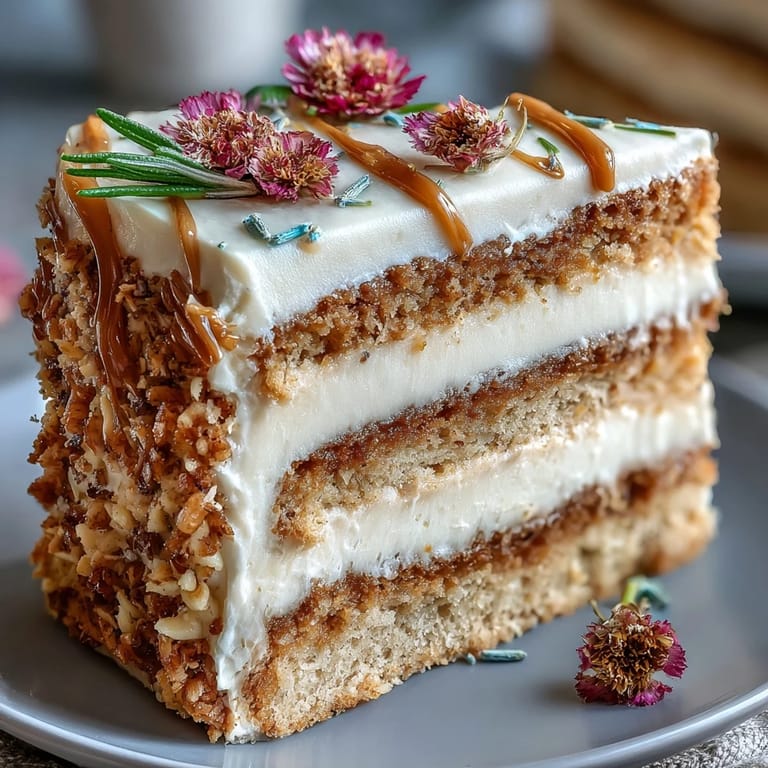
- Stack cakes with buttercream, pressing down so each layer nestles in. Frost the outside with swoops of color and chill to set; don&apost be shy with the palette.
- Blooming decor:
- Scatter with edible flowers and herbs, touching up with gold if you like. Step back and admire—then call everyone to the table.
 Save
Save 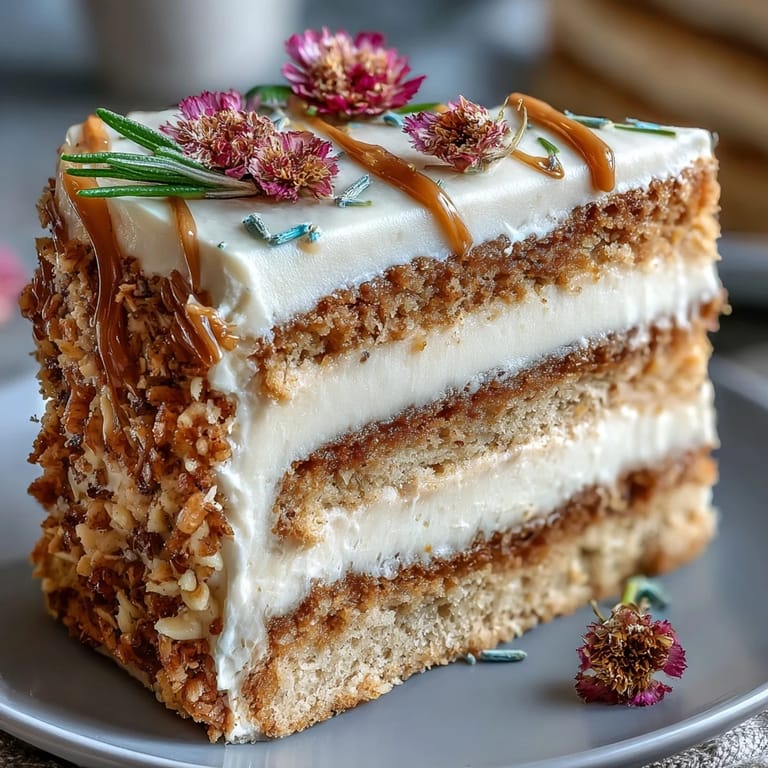 Save
Save The moment this cake truly became special for me was a quiet spring birthday, when we took it outside under the budding trees. Each earthy, floral bite was a reminder that food can be equal parts comfort and celebration—even the sun seemed to linger a little longer on the last crumbs at the plate&aposs edge.
How to Tweak the Flavors
Swapping rose water for orange blossom water adds a sunnier scent, and I once accidentally used both; the result was unexpectedly layered and everyone asked for the trick. If you prefer more subtle florals, cut the amount in half and let the garnish do the talking. A sprinkle of cocoa in the cake or a dusting of matcha in the buttercream can also deepen the colors without overwhelming delicate flavors. Try swirling in a streak of beet powder for a gentle pink hue or shaving a little dark chocolate over the finished top for some extra earthiness.
The Importance of Decoration
It turns out that even tiny pansies and wisps of fresh thyme can make the difference between a pretty cake and a true showstopper. My favorite part is watching people pause before slicing, just to take in the fragrance and all those soft colors. Don&apost skimp on flowers, but do make sure they&aposre food-safe. If kids are helping, let them be in charge of the herbs—I once looked away for a second and found mint leaves everywhere, and no one complained.
Mistakes I Learned From
Every time I forgot to let the butter soften long enough, the buttercream turned into a lumpy mess, so now I leave a stick out when I wake up and don&apost even think about baking until it yields to a gentle poke. Multi-tasking too quickly with the sponge led to overmixing, which makes the cake tough, so breathe deep and slow down at that step. There&aposs really no race.
- Test your colorants on a spoonful first—the shades can surprise you.
- If fresh flowers are wilting, pop them in the fridge for 10 minutes.
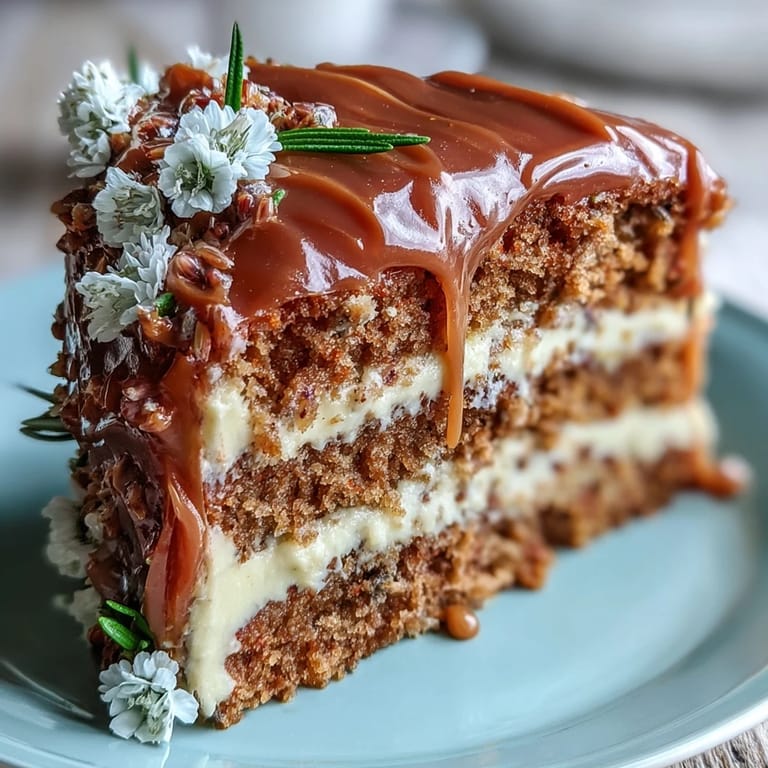
- Let the cake rest just a bit before slicing so those earthy layers hold together beautifully.
 Save
Save 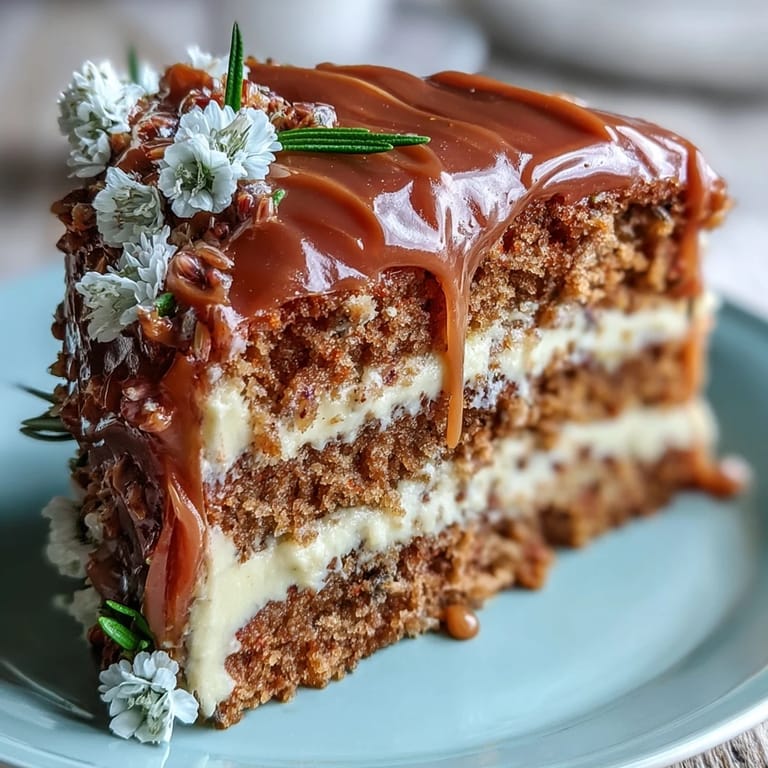 Save
Save When you take the first forkful, let the earthiness and floral notes linger—this Taurus Cake is celebration and calm all at once. Happy baking—may your kitchen fill with warmth and color, wherever you are.
Recipe FAQs
- → How do I prevent the layers from doming or cracking?
Use room-temperature ingredients, avoid overmixing once flour is added, and bake in properly prepared 8-inch pans. Rotate pans midway if your oven has hot spots and test with a toothpick; a slight spring indicates doneness. Cooling in the pan for 10 minutes before turning out helps prevent cracks.
- → Can I substitute sour cream in the batter?
Yes. Plain full-fat yogurt is an excellent substitute and adds similar acidity and moisture. If using a thinner yogurt, reduce added milk slightly to maintain batter consistency.
- → How should I tint buttercream with natural colorants?
Add powdered colorants sparingly and build color gradually. Matcha provides green, beet powder yields pink, cocoa gives brown, turmeric adds yellow, and spirulina gives deeper green. Mix each portion thoroughly and chill briefly if the buttercream becomes too soft.
- → What's the best way to make the butterscotch sauce without burning?
Melt butter over medium heat, stir in brown sugar and cook just until it dissolves and begins to bubble, then add cream and simmer gently while stirring. Remove from heat as soon as the sauce is smooth to avoid scorching.
- → Can I prepare this in advance and how should I store it?
Assemble and finish the cake a day ahead for flavors to meld, then store covered at room temperature up to 3 days. If using fresh flowers, add them just before serving and refrigerate if blooms require cooler storage.
- → Any tips for decorating with edible flowers and herbs?
Use pesticide-free, food-grade flowers. Arrange blooms and small herb sprigs after chilling so they sit cleanly atop the buttercream. Press gold leaf or dust sparingly for accents to avoid overpowering the floral presentation.