 Save
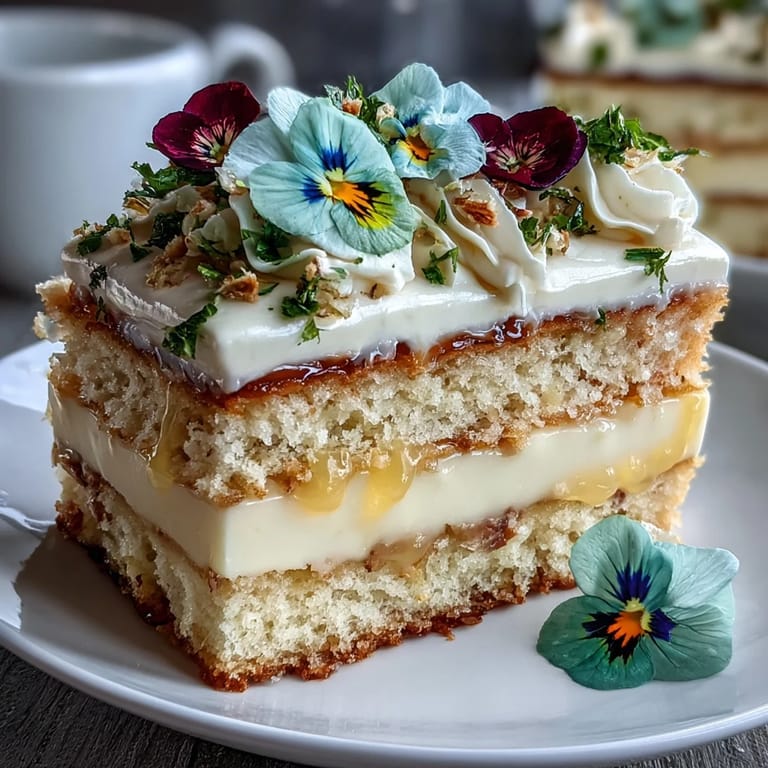
Save The scent of lemon and vanilla always makes me think of spring, but the first time I made this cake, it was the sight that stole my attention. There was a gentle hush in the kitchen as I pressed pansy petals onto the soft whipped cream, not quite sure if they would stay put. It's amazing how those little bursts of color transform a simple dessert into a celebration. My neighbor dropped by unexpectedly that afternoon, and her jaw literally dropped when she saw the finished cake. Bringing nature indoors never felt so sweet—or so easy.
One Sunday, I baked this cake for my book club meeting, and everyone paused mid-sentence to admire it before the first slice. It was the kind of moment you hope for—casual, with laughter, but suddenly special because something beautiful was on the table. I remember nearly dropping the second cake layer while assembling, but a quick save and a burst of giggles made me relax. The mix of floral aroma and lemon was a hit, even for people who normally skip dessert. There was not a crumb left by the time our discussion turned back to novels.
Ingredients
- Unsalted butter: Gives the sponge its tender richness; I always use room temperature for a smoother blend.
- Granulated sugar: Balances the lemon’s tang and helps the cake structure; creaming is key for fluffiness.
- Eggs: These add stability and color to the sponge—beat them gently to avoid dense texture.
- Vanilla extract: A fragrant backbone for the cake; don’t skip it, even with lemon in the mix.
- All-purpose flour: Creates the foundation; sift if you want an especially light crumb.
- Baking powder: Ensures a good rise; double check the freshness so your cake isn’t flat.
- Sea salt: Enhances each flavor rather than making things salty; just a pinch lifts the sweetness.
- Whole milk: Keeps the sponge moist; room temperature prevents curdling.
- Lemon zest: Provides subtle aroma; zest only the yellow part to avoid bitterness.
- Eggs (for curd): Give the lemon curd its body; whisk thoroughly for consistency.
- Granulated sugar (curd): Helps tame the lemon; use superfine for smoother curd.
- Lemon juice: Freshly squeezed is essential—bottled won’t taste right.
- Lemon zest (curd): Fine zest melts in and amps up the zing.
- Unsalted butter (curd): Cubed for easier melting; creates silky mouthfeel.
- Heavy cream: Chilled for best whip; don’t overbeat or it turns grainy.
- Powdered sugar: Sweetens the cream without weighing it down; sifting helps avoid lumps.
- Vanilla extract (for cream): Adds a gentle roundness to the topping.
- Pressed edible flowers: The star of decoration; use organic and verified edible blooms only.
Tired of Takeout? 🥡
Get 10 meals you can make faster than delivery arrives. Seriously.
One email. No spam. Unsubscribe anytime.
Instructions
- Set Up Your Cake Pans:
- Let’s grease and line two cake pans together; parchment stops sticking and makes for easy release later.
- Cream Butter and Sugar:
- When you beat the butter and sugar, watch for the color to lighten—this is where air sneaks in for a fluffy sponge.
- Beat in Eggs, Vanilla, and Lemon:
- Add eggs one at a time, stirring gently so you don’t lose your airy base, then vanilla and zest for fragrance.
- Combine Dry and Wet Ingredients:
- Mix flour, baking powder, and salt separately, then blend in stages with milk—don’t overwork or the cake gets tough.
- Bake the Sponge:
- Pour batter into pans, smooth the tops, and bake until a toothpick comes out clean; keep an eye on them rather than the timer.
- Cool and Prepare to Fill:
- Let the cakes rest in the pans briefly, then transfer to racks; this prevents soggy edges and makes layering easier.
- Make Lemon Curd:
- Over gentle steam, whisk eggs, sugar, juice, and zest till thick—add butter last for glossy richness, and cool before using.
- Whip the Cream:
- Whip cold cream with powdered sugar and vanilla until stiff peaks—listen for the change in pitch as it thickens.
- Assemble Layers:
- Start with a cake layer, add lemon curd, then top with the second; don’t rush, stacking will look prettier.
- Frost and Decorate:
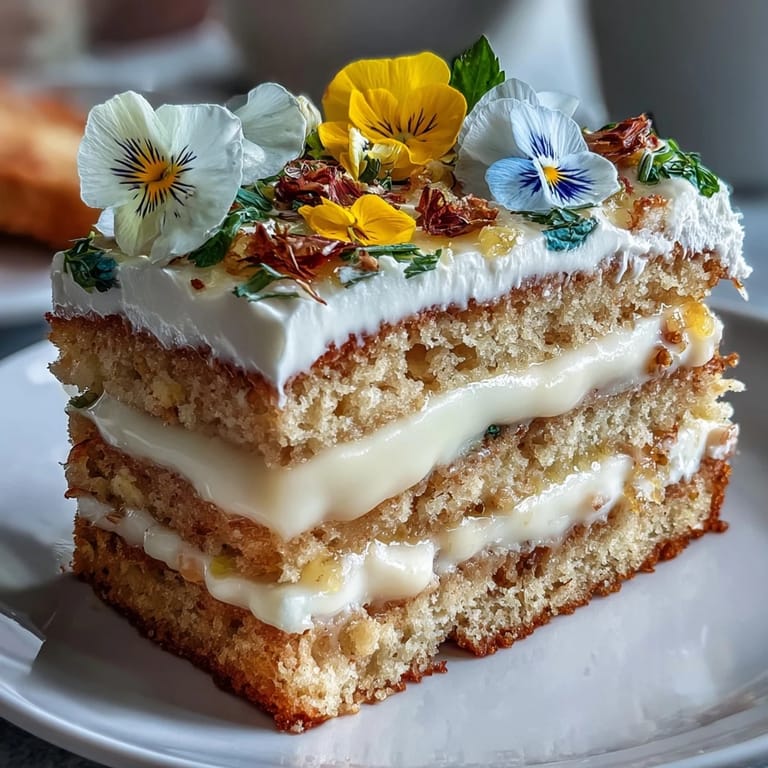
- Spread whipped cream softly over the top and sides, then press flowers gently—enjoy the artistic freedom as you arrange.
- Chill and Serve:
- Chill the cake so the flowers set and the cream stays firm; slice gently to show off the layers.
 Save
Save There was a quiet thrill the first time a slice landed on my plate, edible flowers intact, and sunlight catching their colors through the kitchen window. That meal felt less about dessert and more about a little celebration of spring—the kind you want to linger over with friends, forks, and conversation.
How to Press Edible Flowers Easily
If you’re wondering how to press flowers, I use a simple heavy book lined with parchment paper. Lay the flowers flat, cover, and add more books for weight; after a day or two they’re perfect for decorating. It’s low effort, and you don’t need special tools. Make sure all blooms are organic and edible to keep things safe.
Choosing the Best Citrus for Lemon Curd
Fresh lemons are always superior for curd—the flavor is clean and bold. Taste your juice before starting, since too-tart lemons need extra sugar for balance. Meyer lemons give a slightly gentler taste with floral notes, making the curd silkier. I sometimes zest a lemon right over the pot so none of the essential oils are lost.
Decorating Tips That Make Your Cake Stand Out
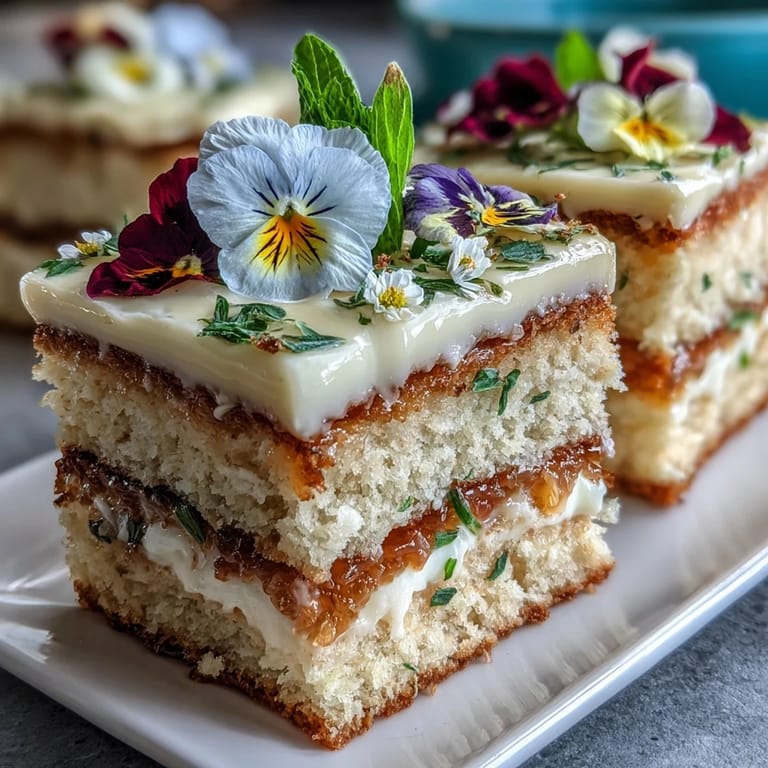
The wild arrangement of flowers never looks the same twice, which makes this cake feel like a bespoke centerpiece. Layering petals and mixing colors gives a gorgeous effect, even if it’s imperfect—sometimes the messier the better. Keep decorations simple if you’re short on time, or go all out and cover the entire top. Tucking in extra lemon zest between petals adds sparkle and aroma.
- Always press flowers gently into the cream so they stick without tearing.
- If your cream feels too soft, pop it in the fridge for a few minutes before decorating.
- Chill the finished cake immediately for best results and vivid colors.
 Save
Save This cake always feels like a fresh start—whether you’re sharing it at a spring party or just with morning coffee. Hope you find as much joy in making and eating it as I did.
Recipe FAQs
- → How do I ensure flowers are safe for decorating?
Choose organically grown, pesticide-free flowers confirmed as edible. Common choices include pansies, violets, nasturtiums, and rose petals.
- → Can cake layers be made ahead?
Yes, cake layers may be baked a day in advance and wrapped at room temperature to maintain freshness before assembly.
- → How do I achieve an aromatic sponge?
Use lemon zest and vanilla extract in the batter. Cream butter and sugar thoroughly for a light, fluffy texture.
- → What pairs well with this dessert?
Pair with Earl Grey tea for subtle floral notes, or serve alongside sparkling Moscato to complement the citrus flavors.
- → Is the cake suitable for vegetarians?
Yes, it contains eggs and dairy but no meat. Always check that decorations and ingredients align with dietary preferences.
- → How can I intensify the lemon flavor?
Brush the cake layers with lemon syrup before layering or add extra lemon zest to the curd for a bolder citrus kick.