 Save
Save I discovered this version of mac and cheese almost by accident when I was looking for ways to make my weeknight dinners feel less repetitive. A friend mentioned she'd been blending cottage cheese into sauces, and I thought she'd lost it until I tried it—suddenly I had this impossibly creamy, protein-packed sauce that tasted nothing like diet food. The first time I made it, my kitchen smelled like comfort but felt like I'd cracked some kind of code, and honestly, I've barely made traditional mac and cheese since.
I made this for my partner on a random Tuesday when we were both exhausted, and watching their face when they realized it was made with cottage cheese was genuinely worth the small cooking effort. They went back for seconds without hesitation, and that's when I knew this wasn't just a healthier alternative—it was legitimately better than the version I'd grown up eating.
Ingredients
- High-protein pasta (300 g): Chickpea or lentil pasta adds another protein layer and makes the whole dish feel intentional rather than just a vehicle for sauce; whole wheat works beautifully too if that's what you have.
- Low-fat cottage cheese (300 g): This is the secret weapon—blend it until completely smooth and it becomes this silky base that holds everything together with way less fat than heavy cream.
- Low-fat milk (120 ml): Dairy or unsweetened plant-based both work; this just helps loosen the blended cottage cheese to the right consistency.
- Sharp cheddar (100 g): Sharp matters because cottage cheese is mild, and you need that umami punch to remind everyone this is actually cheese sauce.
- Parmesan (40 g): Freshly grated makes a difference in how it melts into the sauce rather than getting clumpy.
- Cornstarch (1 tbsp): This prevents the sauce from breaking when you heat it and gives it that velvety coating.
- Dijon mustard (1 tsp): Sounds small, but it cuts through the richness and adds a subtle sophistication that nobody can quite name.
- Nutritional yeast (1 tbsp optional): If you want extra savory depth and happen to have it on hand, it's a small gesture with big results.
- Garlic and onion powder (½ tsp each): These keep the sauce from tasting one-dimensional and add warmth without raw edges.
Tired of Takeout? 🥡
Get 10 meals you can make faster than delivery arrives. Seriously.
One email. No spam. Unsubscribe anytime.
Instructions
- Get your pasta going:
- Boil salted water in a large pot, add your high-protein pasta, and cook until al dente—don't overcook because it'll soften more when mixed into the warm sauce. Reserve that half cup of cooking water; you'll want it for adjusting the sauce consistency.
- Build the creamy sauce:
- While the pasta cooks, put the cottage cheese, milk, both cheeses, nutritional yeast if using it, cornstarch, mustard, and all your seasonings into a blender. Blend until it's completely smooth and creamy—any graininess from the cottage cheese will disappear and you'll have something that looks almost impossibly luxurious.
- Heat the sauce gently:
- Pour everything into a saucepan over medium-low heat and whisk constantly—this is important because cornstarch needs that movement to thicken properly and to prevent lumps. Watch for it to bubble gently and thicken, which takes about 3-5 minutes; if it gets too thick, splash in some of that reserved pasta water until it moves like a proper sauce.
- Bring it together:
- Add your drained pasta to the sauce and toss everything until every noodle is coated and warm, about 1-2 minutes. The heat will be gentle enough that nothing breaks, but strong enough that flavors meld.
- Optional golden topping:
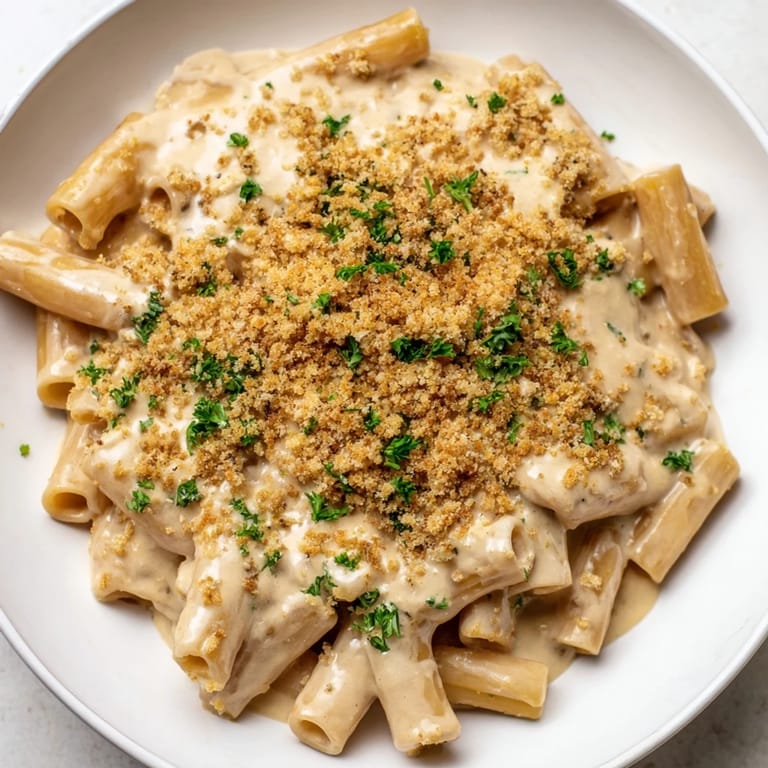
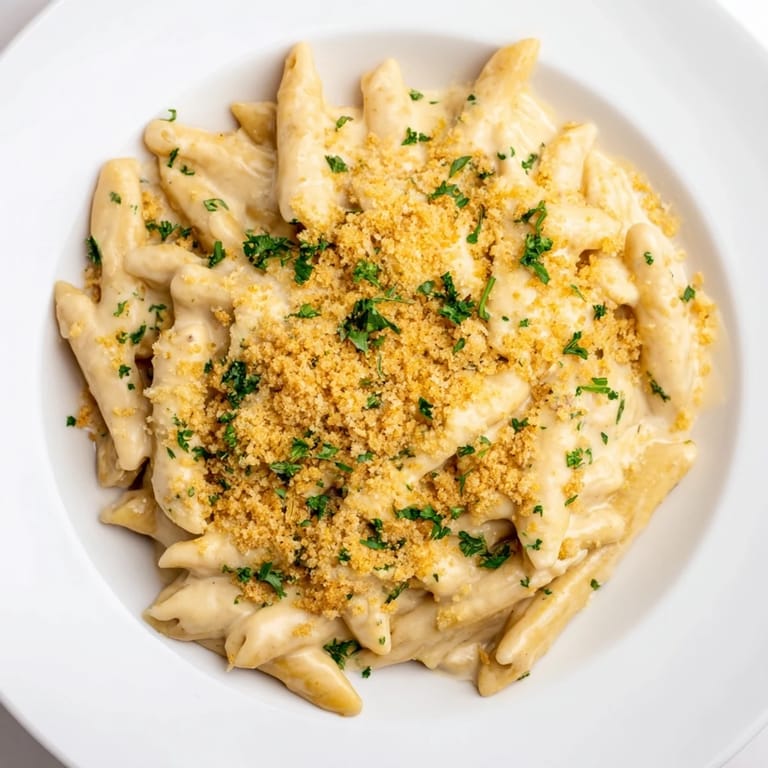
- If you want crunch, transfer to a baking dish, sprinkle whole wheat breadcrumbs across the top, and broil for 2-3 minutes until the crumbs turn golden and crispy. This contrast is honestly worth the extra step.
- Finish and serve:
- Garnish with fresh chopped parsley and serve immediately while everything is still creamy and warm.
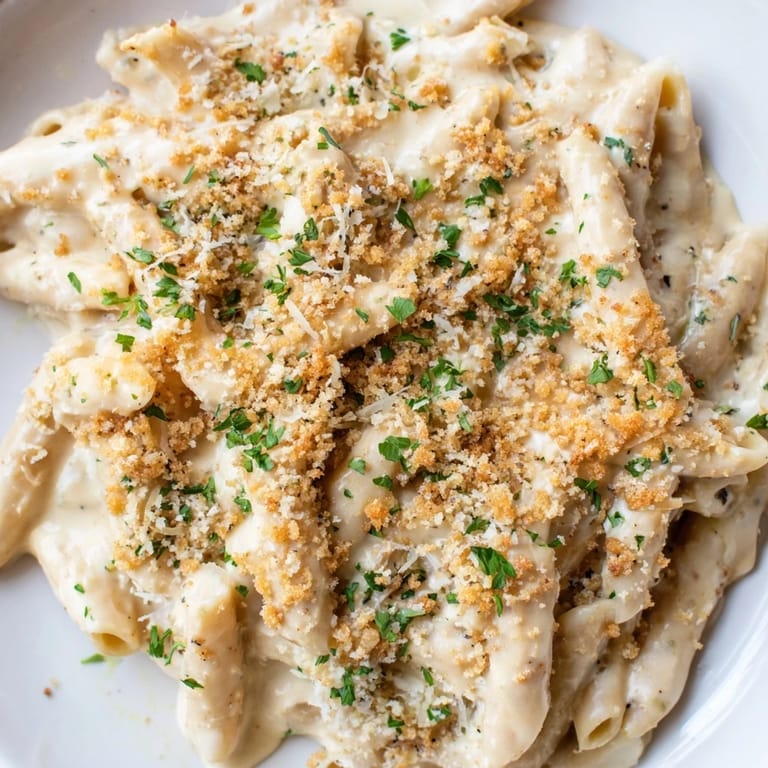 Save
Save The moment I realized this had become my default mac and cheese was when I caught myself making it not because I was trying to eat healthier, but because I genuinely preferred it. That shift from obligation to genuine preference is when a recipe stops being a diet hack and becomes just something you love.
Why Cottage Cheese Works Better Than You Think
Cottage cheese has this bad reputation from diet culture, but when you blend it, it becomes something entirely different—the curds smooth out into this incredibly creamy texture that actually holds together better than cream does because of its protein content. I've made this sauce thick enough to coat the back of a spoon and thin enough to pour, depending on my mood, and it never breaks or gets grainy. It also means you're not adding empty calories; every spoonful is actually building something in your body rather than just sitting there.
Making It Your Own
The formula here is flexible enough that you can treat it like a template rather than a strict instruction. Swap the sharp cheddar for Gruyère if you want something nuttier, or Monterey Jack if you prefer it milder; try adding a pinch of cayenne pepper if you want heat without it being obvious. I've stirred in everything from roasted broccoli to shredded cooked chicken to crispy bacon, and the sauce holds everything beautifully because it's built on that protein-rich cottage cheese base.
Honest Kitchen Wisdom
This is the kind of dish that proves good food doesn't have to choose between tasting amazing and being good for you. The technical reason it works is sound—cornstarch stabilizes the sauce, cottage cheese provides protein and creaminess, and the cheese blend gives you flavor depth—but what matters is that it feels indulgent while actually serving your body well. I've fed this to people who are skeptical about anything protein-focused, and they always come back for more because they're too busy enjoying it to worry about what it's made from.
- Make extra and store it in the fridge; it reheats beautifully by stirring in a splash of milk and warming gently.
- If you're batch cooking for the week, assemble everything in containers without the optional breadcrumb topping, which you can add right before serving.
- This works equally well cold as a pasta salad if you're planning ahead for lunch boxes.
 Save
Save This recipe exists because I got tired of choosing between food that tasted good and food that made me feel good afterward. Now I don't have to choose, and neither do you.
Recipe FAQs
- → What type of pasta works best?
High-protein options like chickpea, lentil, or whole wheat pasta complement the sauce well and boost nutrition.
- → Can I use plant-based milk in the sauce?
Yes, unsweetened plant-based milk works fine and helps maintain a creamy consistency.
- → How do I make the sauce creamy without lumps?
Blending all sauce ingredients until smooth ensures a velvety texture. Heating it gently while whisking thickens the sauce evenly.
- → Is the breadcrumb topping necessary?
No, it’s optional but adds a pleasant crunch and a golden finish when broiled briefly.
- → Can I add vegetables or protein to this dish?
Yes, adding cooked chicken or steamed broccoli increases protein and adds variety to the dish.