 Save
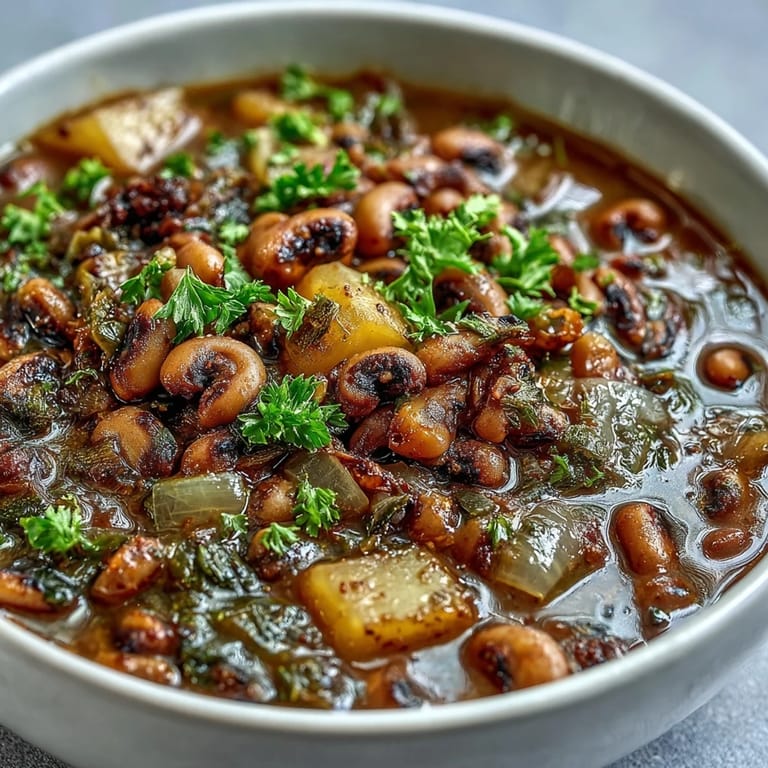
Save There's something about the smell of onions hitting hot oil that makes you pause mid-afternoon and decide dinner is worth the effort. I discovered this black-eyed pea stew on a particularly gray Thursday when my fridge held more promise than my mood, and honestly, the way those peas softened into the tomato broth felt like the kitchen was doing half the emotional work for me. It's the kind of stew that tastes better than it should, given how straightforward it is to make.
I made this for my neighbor last winter when she was recovering from the flu, and watching her ask for seconds while still wrapped in a blanket told me everything I needed to know about its power. There's real comfort in a bowl that asks nothing from you except a spoon and a moment to breathe.
Ingredients
- Extra virgin olive oil: Two tablespoons is enough to coat the bottom of your pot and build the flavor foundation without heaviness.
- Large sweet onion: Dice it small so it practically disappears into the broth, sweetening everything as it softens.
- Carrots: Two medium ones add natural sugar and a pleasant earthiness that grounds the whole dish.
- Celery stalks: This is your quiet flavor anchor, the one ingredient people never guess but always notice.
- Medium potatoes: They break down slightly and thicken the broth while staying tender enough to scoop with a spoon.
- Diced tomatoes: Use canned if fresh aren't at their peak, because the acidity is what makes everything taste alive.
- Garlic cloves: Minced fresh garlic turns timid after just a minute in the pot, so don't second-guess the timing.
- Cooked black-eyed peas: Canned works perfectly, just rinse them well to remove the starchy liquid that can make things cloudy.
- Vegetable broth: Four cups is the baseline, but taste as you go because broths vary wildly in saltiness.
- Bay leaf: One leaf is enough to whisper its presence without overwhelming.
- Dried thyme: A teaspoon of dried thyme has more punch than you'd expect from something so small.
- Smoked paprika: This is the secret ingredient that makes people ask what you're hiding in there.
- Black pepper and salt: Season in layers, tasting as you build the flavor.
- Fresh parsley: Stir it in at the end so it stays bright and doesn't fade into the background.
Tired of Takeout? 🥡
Get 10 meals you can make faster than delivery arrives. Seriously.
One email. No spam. Unsubscribe anytime.
Instructions
- Heat your oil and start with onions:
- Pour the olive oil into a large pot and let it get properly hot over medium heat. Add your diced onion and listen for that soft sizzle as they hit the oil, stirring every now and then for about 3 to 4 minutes until they turn translucent and smell almost sweet.
- Build your vegetable base:
- Toss in the carrots and celery, stirring them around for another 4 minutes so everything gets coated in that onion-infused oil. This is where your stew gets its backbone of flavor.
- Add potatoes and garlic:
- Stir in the diced potatoes and let them cook for 2 minutes, then add your minced garlic and cook just until fragrant, around 1 minute. Don't let the garlic sit too long or it turns bitter.
- Pour in liquid and seasonings:
- Add the tomatoes with their juices and pour in the vegetable broth, then sprinkle in the bay leaf, thyme, smoked paprika, black pepper, and salt. Stir everything together so the seasonings dissolve evenly.
- First simmer:
- Bring the pot to a gentle boil, then reduce the heat and let it simmer uncovered for about 15 minutes until the potatoes and carrots are nearly tender. The broth will deepen in color as the flavors meld.
- Add the peas:
- Stir in the black-eyed peas and simmer for another 10 minutes, giving the stew a chance to taste like a complete dish. The peas should be warm through and everything should feel soft when you press it with your spoon.
- Final taste and finish:
- Fish out the bay leaf, taste the broth, and adjust the salt and pepper if needed. Stir in your fresh parsley right before serving so it stays vibrant.
 Save
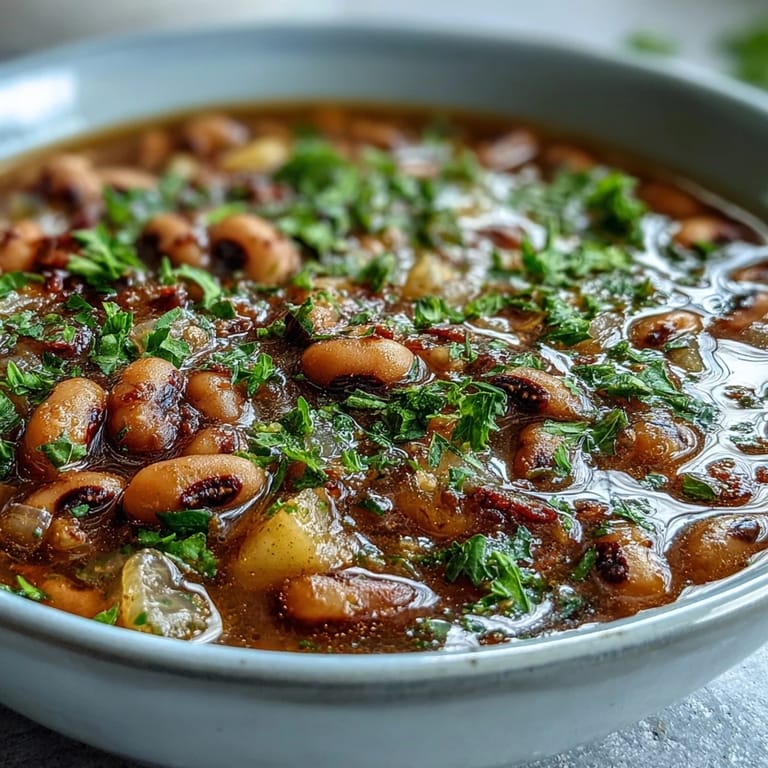
Save My sister texted me a photo of this stew weeks after I taught her to make it, just a random bowl on a random Tuesday, and said that's her new winter default now. That moment made me realize it's the kind of recipe that doesn't need fanfare.
The Magic of Layering Flavor
This stew works because you're not dumping everything in at once and hoping for the best. You're building flavor in stages, starting with the aromatics hitting hot oil, then letting each vegetable contribute its own note before everything comes together in the broth. That first 2 minutes of garlic sautéing, that 4 minutes of carrot and celery softening, that 15-minute first simmer before the peas even arrive, it all matters. I used to think stew was about patience, and it is, but it's more about understanding that vegetables taste better when you give them their moment to shine before asking them to share space with everything else.
Why This Stew Feels Lighter Than It Should
Most stews sit heavy in your stomach and make you want to nap immediately after, but this one doesn't. The vegetables are cut small enough that they cook quickly and break down slightly, thickening the broth naturally instead of needing cream or flour. The smoked paprika adds so much depth that you don't crave richness. Black-eyed peas themselves are less dense than kidney beans or chickpeas, so they contribute protein without that heavy, starchy feeling. I've served this to people eating lighter and to people eating anything that doesn't move, and somehow it satisfies both.
Variations and Additions Worth Trying
The beauty of this stew is that it's a framework, not a rule. I've added everything from a splash of liquid smoke to a chipotle pepper for heat, stirred in kale at the last minute, even thrown in a can of white beans alongside the peas for more protein. One winter I had fresh thyme and used it instead of dried, which made the whole thing taste brighter and more herb-forward. The core of the recipe stays solid, but the edges are flexible enough that you can play around based on what's in your pantry or what you're craving.
- A pinch of liquid smoke or a diced chipotle adds smokiness without overwhelming the delicate flavor of the peas.
- Stir in fresh spinach or kale in the final 5 minutes of cooking for added greens and nutrition.
- Serve over rice or with crusty bread to soak up every last drop of broth.
 Save
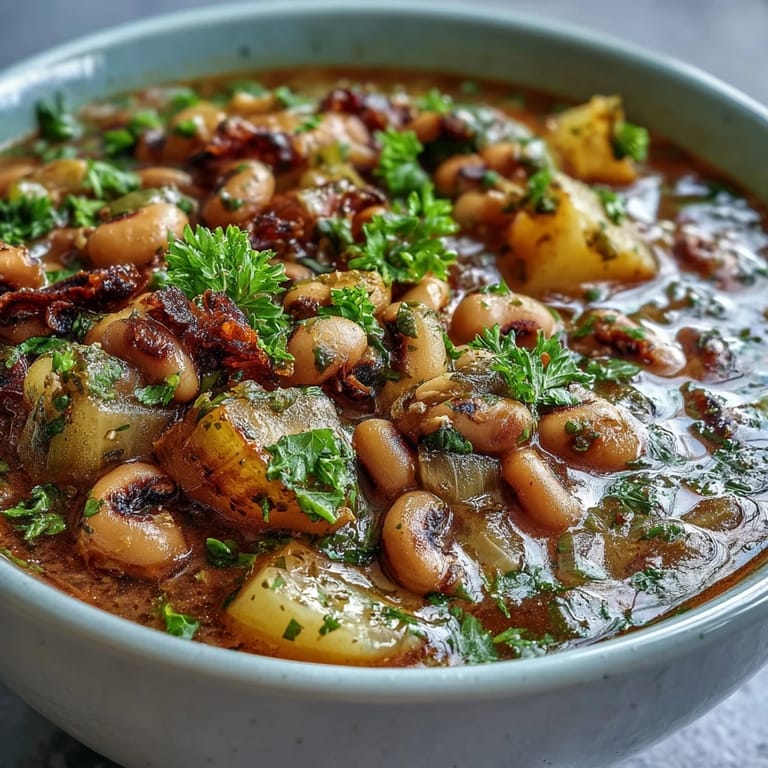
Save This stew has quietly become the recipe I make when someone needs feeding, when I'm feeding myself, or when I just need the sound of something simmering on the stove. It's honest food that doesn't apologize for being simple.
Recipe FAQs
- → Can I use dried black-eyed peas instead of canned?
Yes, soak 1 cup dried black-eyed peas overnight, then cook for 45-60 minutes until tender before adding to the stew. Adjust cooking time accordingly.
- → How long does this stew keep in the refrigerator?
Store in an airtight container for up to 4-5 days. The flavors continue to develop, making leftovers even more delicious.
- → Can I freeze this black-eyed pea stew?
Absolutely. Cool completely, then freeze in portions for up to 3 months. Thaw overnight in the refrigerator before reheating.
- → What vegetables can I add or substitute?
Kale, spinach, bell peppers, or zucchini work well. For a different twist, try adding butternut squash or sweet potatoes instead of regular potatoes.
- → How can I make this stew more protein-rich?
Add chopped kale or spinach during the last 5 minutes of simmering, or serve with a side of quinoa. You can also add diced tofu or increase the black-eyed peas.
- → What pairs well with this stew?
Crusty bread, cornbread, or steamed rice complement the flavors beautifully. A crisp green salad with vinaigrette makes a fresh addition to the meal.