 Save
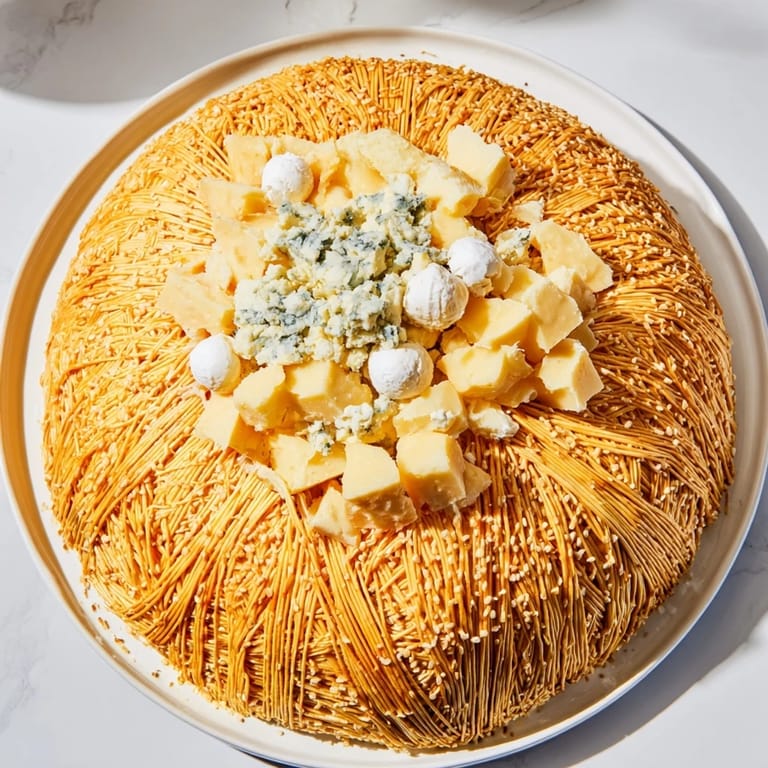
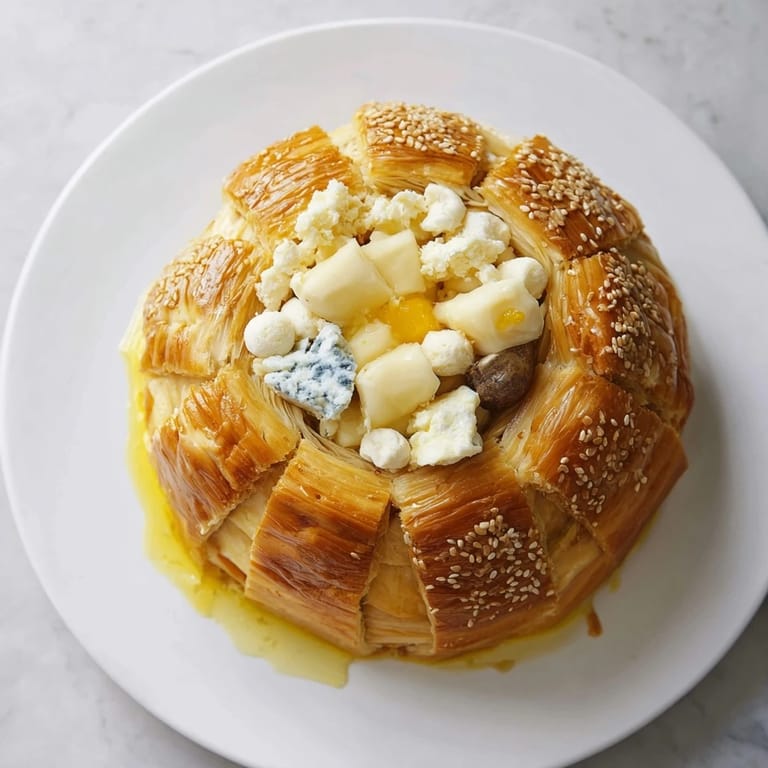
Save The first time I attempted an edible centerpiece, I was genuinely nervous. A dinner party was happening in three hours, and I'd promised something that would make guests actually gasp when they walked into the dining room. I remembered seeing a photograph of breadsticks arranged into a delicate dome, and something about that image stuck with me—the geometry, the theater of it all. Standing in my kitchen with flour on my hands, I realized I wasn't just baking breadsticks; I was building an architecture of flavor and presentation that somehow felt both ambitious and entirely possible.
I'll never forget my neighbor leaning over the platter, her eyes widening as she realized the whole dome was edible, that she could actually break into it. She laughed and said it felt like opening a gift, and that's when I understood: this wasn't just about the ingredients or the technique. It was about that split second of delight before someone realizes they're allowed to touch and taste what you've created.
Ingredients
- All-purpose flour (250 g): Use bread flour if you want more structure in your sticks; all-purpose works beautifully for a tender crumb.
- Instant dry yeast (1 tsp): Fresh and active yeast matters here—old yeast leads to dense, sad breadsticks.
- Lukewarm water (150 ml): Too hot kills the yeast, too cold and nothing rises; aim for the temperature of a comfortable bath.
- Olive oil (2 tbsp): Not just for flavor—it keeps the dough workable and the finished sticks from becoming brittle.
- Egg yolk (1): This creates that burnished, crackling glaze that catches the light.
- Triple-cream Brie, aged Comté, truffled goat cheese, blue cheese, Parmigiano Reggiano: Mix soft and hard cheeses so the dome has texture and visual interest; the variety is what makes this sing.
- Red grapes, honey or fig jam, fresh herbs: These aren't afterthoughts—they're the color, sweetness, and aromatic lift that balance the richness of the cheese.
Tired of Takeout? 🥡
Get 10 meals you can make faster than delivery arrives. Seriously.
One email. No spam. Unsubscribe anytime.
Instructions
- Mix your foundation:
- Combine flour, yeast, sugar, and salt in a large bowl, then add water and olive oil. Stir until everything comes together, then knead for 8–10 minutes—your arms will feel the shift from shaggy to smooth, elastic. The dough should feel alive and responsive.
- Let time do the work:
- Cover and set in a warm spot for 30 minutes until the dough roughly doubles. This isn't a rushed step; yeast moves at its own pace, and hurrying it shows.
- Prepare your oven:
- Heat to 200°C (390°F) and line a baking tray with parchment paper. This prevents sticking and ensures even browning on the bottom of your sticks.
- Shape with intention:
- Divide dough into 18–20 small pieces and roll each into a thin stick about 3 mm thick and 25 cm long. They'll look fragile now; they'll firm up in the oven.
- Apply the glaze:
- Brush each stick lightly with egg yolk and scatter sesame seeds if you'd like that subtle nuttiness and visual texture. Less is more—overbrush and you'll get thick, doughy coating.
- Bake until they sing:
- Bake for 15–18 minutes, turning once halfway through. They're done when golden and when you bite one (yes, taste as you go), it should snap cleanly, not bend.
- Arrange your cheese landscape:
- On your serving platter, pile the cheeses—soft ones first as a base, harder ones nestled in—and scatter grapes, drizzle honey, add herbs. Think of this as creating topography, not just placing things.
- Build the dome:
- Lean breadsticks against the cheese mound, using the cheeses and each other for support. This takes patience and slight adjustments; think of it like building a teepee. If you need extra stability, use a small bowl as a temporary mold underneath, then carefully remove it.
 Save
Save What struck me most wasn't that the dome looked stunning, though it did. It was watching someone break a breadstick off, drag it through honey, grab a piece of Brie, and suddenly taste four distinct flavors at once. That's the moment this recipe becomes more than presentation—it becomes conversation, connection, a shared experience at the table.
Why Cheese Matters Here
A common mistake is treating the cheese as a passive base. In this dish, it's not—every cheese should be different enough to matter. The triple-cream Brie melts and softens on your tongue, the Comté brings earthiness and slight sweetness, the goat cheese adds tang, and the blue brings sharp, almost mineral intensity. That truffled goat cheese is the one splurge that changes everything; when it's shaped into small balls, it catches light and feels intentional, luxe. The Parmigiano brings dryness and crunch—a textural accent that prevents the whole thing from feeling too soft, too indulgent.
The Architecture of Breadsticks
The breadsticks are more than a vehicle; they're the structural poetry of this dish. Thin sticks—really thin, about 3 mm—mean they're delicate, elegant, and they actually crisp up properly instead of staying chewy in the middle. Rolling them by hand teaches you something valuable: consistency. Each one should be roughly the same thickness so they bake evenly. The sesame seeds aren't mandatory, but I've noticed they add a subtle sophistication and catch light beautifully against the golden glaze. If you're making this for someone who notices details, the sesame makes a quiet statement.
Serving Suggestions and Last Thoughts
Serve this with a glass of something crisp and cold—Champagne, Sauvignon Blanc, Prosecco. The acidity cuts through the cheese richness and makes each bite feel lighter. Assemble the dome close to serving time, and don't stress about perfection. The point is abundance, flavor, and that moment of visual delight. If you're entertaining, this is the kind of dish that buys you goodwill for the rest of the meal.
- Make the breadsticks up to two days ahead and store them in an airtight container; just re-crisp them in a 160°C oven for a few minutes before assembling.
- Cut your cheeses into roughly similar-sized pieces so they feel intentional, not haphazard.
- If the dome feels unstable, a small toothpick or two hidden between breadsticks can quietly hold everything together.
 Save
Save This recipe taught me that entertaining isn't about perfection; it's about generosity, about building something you're proud to set down in front of people you care about. The Gilded Cage is exactly that—a beautiful, delicious, entirely attainable moment of elegance that tastes even better because you made it yourself.
Recipe FAQs
- → How to shape the breadsticks for the dome?
Roll the dough into thin sticks about 3 mm thick and 25 cm long, then bake until golden and crisp for easy assembly.
- → What cheeses work best for this dish?
A mix of creamy, aged, and bold cheeses like Brie, Comté, truffled goat cheese, and blue cheese balances flavors beautifully.
- → Can I prepare the breadsticks in advance?
Yes, bake the breadsticks ahead and store in an airtight container to maintain crispness before assembling.
- → Are there garnish suggestions to enhance flavor?
Seedless grapes, fresh herbs such as thyme or rosemary, and a drizzle of honey or fig jam complement the cheese and breadsticks well.
- → What’s a suitable beverage pairing?
A crisp white wine or Champagne pairs elegantly with the rich cheeses and crunchy breadsticks.