 Save
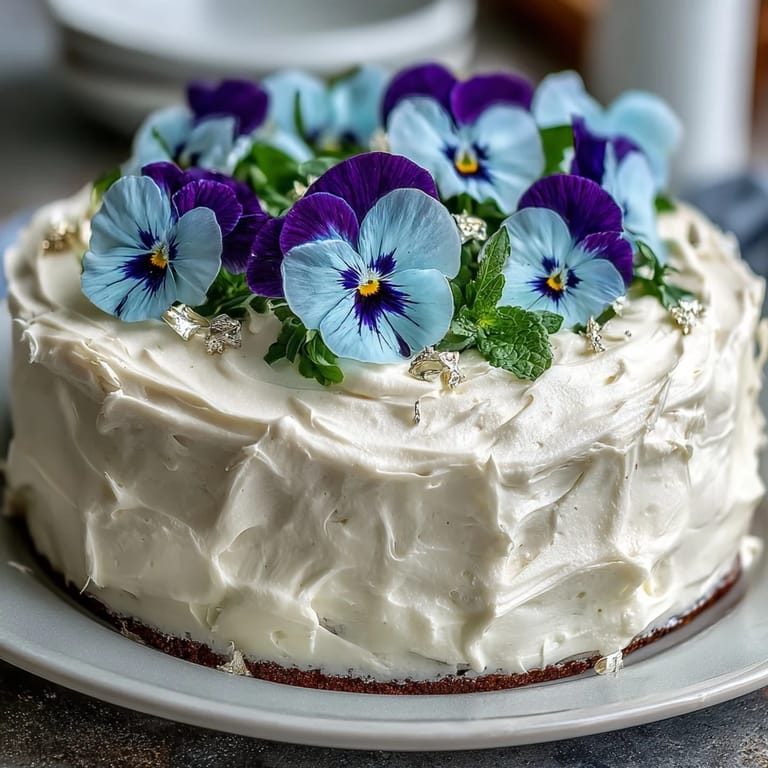
Save The first time I made a graduation cake, I was nervous about nothing except everything—my hands were shaking as I carefully placed the first gold leaf on the frosting, worried I'd mess up this moment that someone had been waiting for their whole academic life. That cake taught me that elegance doesn't come from perfection; it comes from care, from taking your time, from understanding that every layer and every brushstroke means something to the person who'll cut into it. Now whenever I bake this vanilla sponge with its cloud-like buttercream, I'm not just making dessert—I'm making a memory someone will photograph and keep forever.
I'll never forget frosting this cake for my neighbor's daughter on a warm June afternoon, both of us in the kitchen as she told me about moving across the country for grad school. We laughed when I accidentally dropped an edible violet on the floor, and she picked it up, rinsed it, and stuck it right back on—"it's part of the story," she said. By the time we finished with the gold leaf, the cake had become something more than a dessert; it had become a conversation, a moment of connection during a transition.
Ingredients
- All-purpose flour: Use the standard unsifted kind and measure by spooning into a cup, then leveling off; this prevents dense layers that nobody wants.
- Baking powder: Double-check your container for freshness (it loses potency after six months), or your cake will be flat and disappointing.
- Unsalted butter: Room temperature is non-negotiable here; cold butter won't cream properly and your sponge will be tough.
- Granulated sugar: The standard white stuff is perfect; resist brown sugar as it'll change the flavor profile.
- Large eggs: Room temperature makes them incorporate smoothly into the batter, creating a tender crumb.
- Vanilla extract: Pure vanilla is worth the cost; imitation will taste like chemicals instead of warmth.
- Whole milk: The fat content matters; low-fat milk will make the cake slightly drier.
- Egg whites: Fresh and at room temperature so they whip into stable peaks for the meringue.
- Unsalted butter for buttercream: Keep it slightly cooler than the egg white mixture or it'll melt and separate on you.
- Edible flowers: Buy from specialty baking shops or farmers markets where they can confirm pesticide-free growth; grocery store flowers are often treated with chemicals.
- Edible gold leaf: The 24-karat stuff is safer and more beautiful than cheaper alternatives.
Tired of Takeout? 🥡
Get 10 meals you can make faster than delivery arrives. Seriously.
One email. No spam. Unsubscribe anytime.
Instructions
- Prepare your stage:
- Preheat the oven to 350°F and grease those three 8-inch pans generously, then line them with parchment—this step feels fussy but prevents sticking disasters later. Get everything measured and ready before you start mixing, because once you begin creaming butter and sugar, you're on the clock.
- Build the dry foundation:
- Whisk flour, baking powder, and salt together in a bowl; this distributes the leavening evenly so your cake rises uniformly. The whisking aeration helps too, giving your sponge a lighter texture.
- Cream butter and sugar into clouds:
- Beat them together for a full three minutes until the mixture looks pale and fluffy, almost like frosting itself; this incorporates air that makes the cake tender. Stop and scrape down the bowl halfway through.
- Incorporate eggs gently:
- Add eggs one at a time, beating well after each so they blend in smoothly without making the batter greasy. If you rush this step, you'll end up with a separated, sad mixture.
- Alternate wet and dry like a dance:
- Starting with flour and ending with flour, fold in the dry mixture and milk in alternating additions, mixing just until combined. Over-mixing at this stage develops gluten and ruins your tender crumb.
- Fill and bake:
- Divide the batter evenly among the three pans and smooth the tops so they bake evenly. At 28–32 minutes, the cakes should spring back when you touch them and a toothpick should come out clean.
- Cool with patience:
- Let them sit in their pans for ten minutes so the structure sets, then turn them out onto racks to cool completely; warm cake layers are fragile and will tear when you frost them. This is a good time to make coffee and breathe.
- Make the meringue buttercream:
- Whisk egg whites and sugar over simmering water, stirring constantly until the mixture reaches 160°F and the sugar dissolves completely. This kills any bacteria and creates a stable, silky buttercream that won't break when you add the butter.
- Whip into stiff peaks:
- Transfer to your mixer and beat on high for 8–10 minutes until the mixture is glossy, white, and holds stiff peaks; the bowl should feel cool to the touch. This creates the airy texture that makes this buttercream different from regular buttercream.
- Add butter slowly and carefully:
- On medium speed, add butter a few cubes at a time, letting each piece incorporate before adding more; rushing causes the mixture to separate and look curdled. If it breaks, keep mixing; it usually comes back together.
- Finish with flavor:
- Stir in vanilla extract and a tiny pinch of salt, which amplifies the vanilla without adding obvious salt flavor. Taste it and adjust vanilla to your preference.
- Assemble the layers:
- Place one cake layer on your serving plate or cake board, spread with buttercream, then repeat with the next layer. The buttercream acts as glue and filling all at once.
- Apply the crumb coat:
- Cover the entire cake with a thin layer of buttercream that seals in crumbs, then refrigerate for 20 minutes. This extra step prevents stray crumbs from ruining your final frosting coat.
- Finish with elegance:
- Apply a final smooth layer of buttercream using an offset spatula, working slowly and letting the knife do the work rather than pressing hard. This is therapeutic, honestly.
- Add gold leaf with intention:
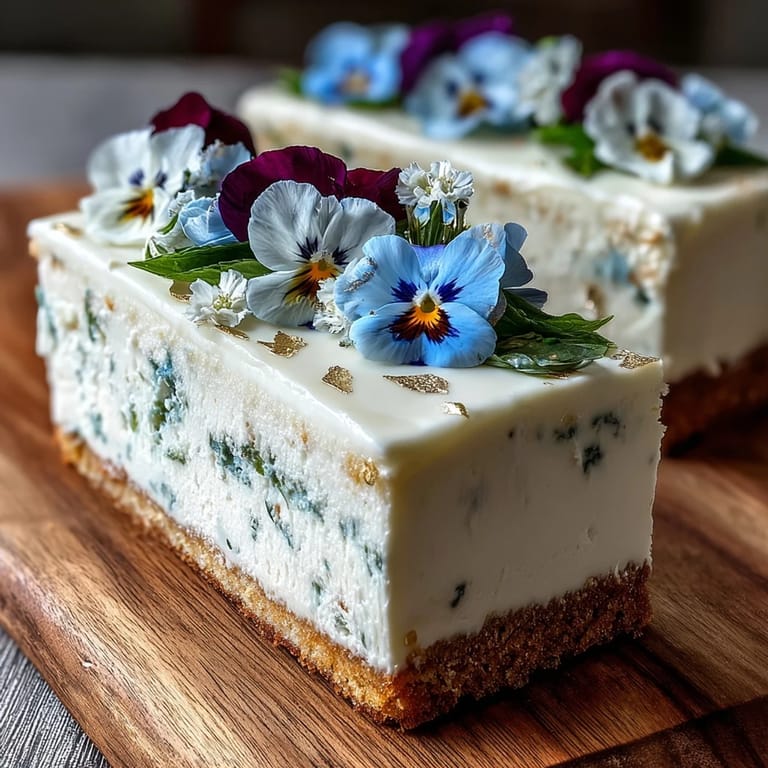
- Using a food-safe paintbrush, carefully apply edible gold leaf to sections of the cake, pressing gently so it adheres. The gold catches light beautifully and screams celebration.
- Arrange flowers as the final touch:
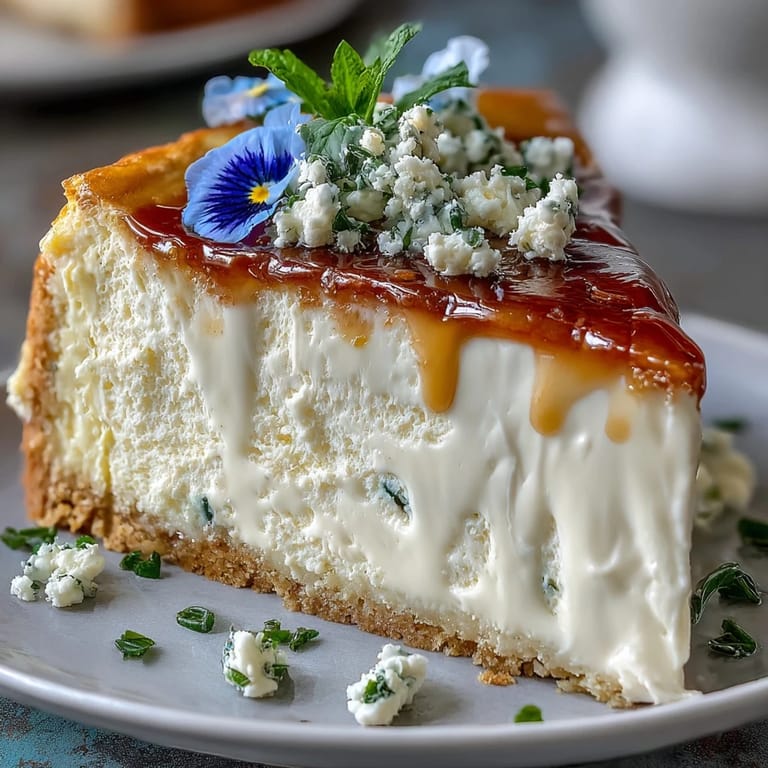
- Place edible flowers decoratively on top and around the cake, nestling them into the frosting or placing them strategically. Step back and look at what you've made.
 Save
Save Last summer, I decorated this cake for a small backyard gathering celebrating someone's MBA completion, and I watched their face when they saw it—that split second of genuine joy before they could control their expression, the kind of moment that reminds you why you spend four hours in the kitchen. Feeding people something beautiful isn't frivolous; it's a way of saying we see your achievement and we're celebrating you.
Why Room Temperature Matters More Than You Think
When I first started baking layer cakes, I ignored the room temperature instruction because I was impatient and thought it was fussy pretension. My first attempt had a dense, greasy texture that no amount of buttercream could fix, and I learned the hard way that cold butter doesn't cream into the sugar properly—it stays in little chunks and won't incorporate the air that makes cake light. The butter, eggs, and milk need to be within a few degrees of each other so they emulsify smoothly, creating an even crumb. Now I pull everything out of the fridge an hour before baking, and the difference is immediate and obvious.
The Anxiety of Gold Leaf and How to Breathe Through It
Edible gold leaf looks delicate and fragile, and it is, but here's the secret nobody tells you: it's also forgiving in its own weird way. The first time I tried applying it, I was so terrified of damaging it that I barely touched my paintbrush to the frosting, and the leaf fell apart immediately—more pressure, not less, is what you actually need. Now I press gently but deliberately, understanding that the gold adheres to the frosting's moisture, and my confidence shows in the final result. The flowers are easier; they won't judge you, and even a slightly messy arrangement reads as artistic rather than sloppy.
Storing and Serving This Beauty
This cake actually tastes better the day after baking because the flavors settle and the crumb sets up, making it easier to cut clean slices. You can make the layers and buttercream a full day ahead, then assemble and decorate the morning of your celebration, which removes pressure from the final hours. Keep it in a cool place (not quite the fridge, which can dry out the sponge) until serving, and slice it with a long serrated knife dipped in hot water between cuts—the moisture and warmth prevent the frosting from dragging.
- If you must refrigerate, pull it out 30 minutes before serving so the cake and frosting return to a pleasant texture.
- Leftover slices keep well wrapped in an airtight container for three days, though honestly, they rarely last that long.
- This recipe scales beautifully if you need more servings; just increase all ingredients proportionally and add more cake pans.
 Save
Save This cake is less about following exact measurements and more about understanding that you're creating something someone will remember—and that understanding, that care, is what actually makes it beautiful. Bake it with confidence, knowing that the most important ingredient is already in your hands.
Recipe FAQs
- → What type of sponge is used for this cake?
The cake uses a classic vanilla sponge made with flour, eggs, butter, and milk to achieve a light, moist texture.
- → How is the Swiss meringue buttercream prepared?
Egg whites and sugar are gently heated over simmering water until sugar dissolves, then whipped until stiff peaks form. Butter and vanilla extract are then incorporated for a smooth, silky finish.
- → Can I use other edible flowers for decoration?
Yes, ensure the flowers are pesticide-free and labeled safe for consumption. Popular choices include pansies, violets, and roses.
- → Is edible gold leaf safe to use on cakes?
Edible gold leaf specifically designed for culinary use is safe and adds a luxurious shine when applied carefully with a food-safe brush.
- → How should I store the finished cake?
Keep the cake refrigerated to maintain the buttercream's texture and freshness, removing it about 30 minutes before serving for best flavor.
- → Are there variations to the cake flavor?
You can substitute part of the flour with cocoa powder for a chocolate variation, complementing the floral and gold elements beautifully.