 Save
Save I discovered this dessert by accident on a winter evening when a block of Parmigiano-Reggiano caught the light next to melted white chocolate, and something clicked. The contrast was so stark, so unexpected, that I couldn't unsee it as a dish. There's something about combining sweet and savory in one bite that feels like you've stumbled onto a secret the culinary world forgot to tell you.
The first time I served this to friends, they went quiet for a moment, studying the board like it was a puzzle. Then someone broke off a piece of chocolate with a parmesan shard stuck to it and tasted it, and their whole face changed. That's the moment I knew this wasn't just a dessert, it was a conversation starter.
Ingredients
- White Chocolate: 250 g of high-quality stuff matters here because it's the foundation of everything—cheap white chocolate tastes waxy, but the good kind has that creamy, almost buttery quality that makes people pause.
- Coconut Oil: Just 1 tsp optional, but it gives the chocolate an extra glossy finish that reads as intentional, almost professional.
- Parmigiano-Reggiano: 60 g block, never pre-grated—you need to shave it yourself to get those dramatic, paper-thin shards that catch the light.
- Flaky Sea Salt: A pinch that you control, because it's the final note that ties sweet and savory together.
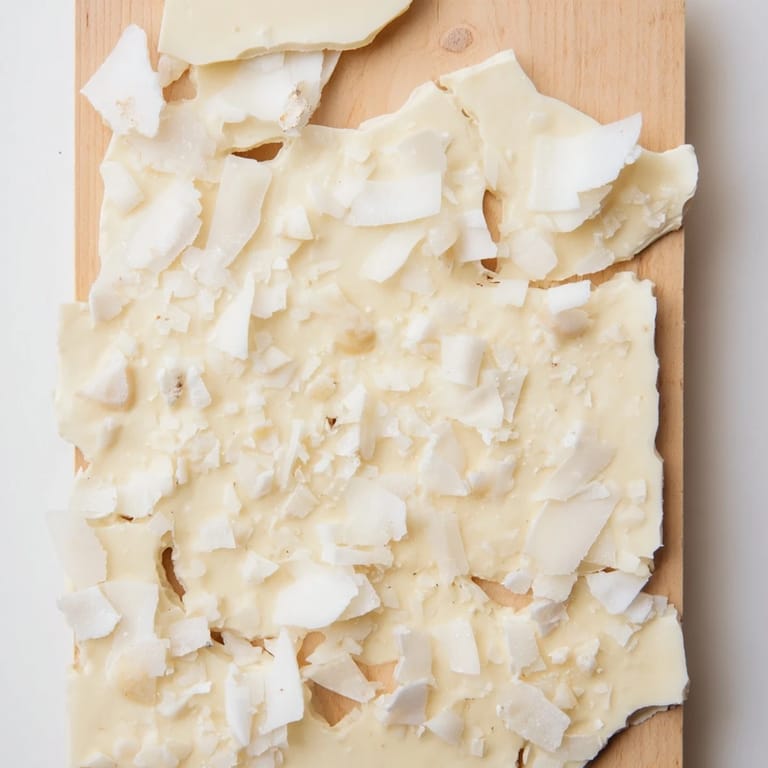
- Light Wood Serving Board: This isn't just plating, it's storytelling—the wood makes the white chocolate feel like a frozen landscape.
Tired of Takeout? 🥡
Get 10 meals you can make faster than delivery arrives. Seriously.
One email. No spam. Unsubscribe anytime.
Instructions
- Set Up Your Canvas:
- Line a large baking sheet with parchment paper and gather your workspace. You're about to create something that needs a clean stage.
- Melt the White Chocolate:
- Use a gentle double boiler or microwave in short thirty-second bursts, stirring until perfectly smooth. You want no lumps, just pure, glossy chocolate that moves like silk.
- Spread the Ice Sheet:
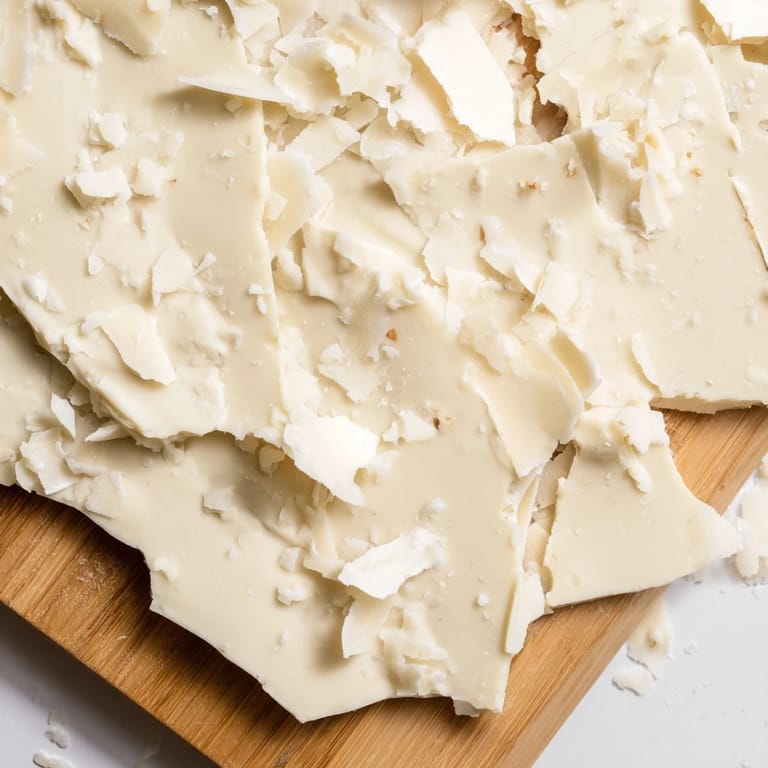
- Pour the chocolate onto parchment and spread it thin—about 2 mm—using an offset spatula in long, deliberate strokes. The unevenness is the point; it's what makes it look like broken ice. Chill for twenty minutes until it sets hard.
- Craft the Parmesan Shards:
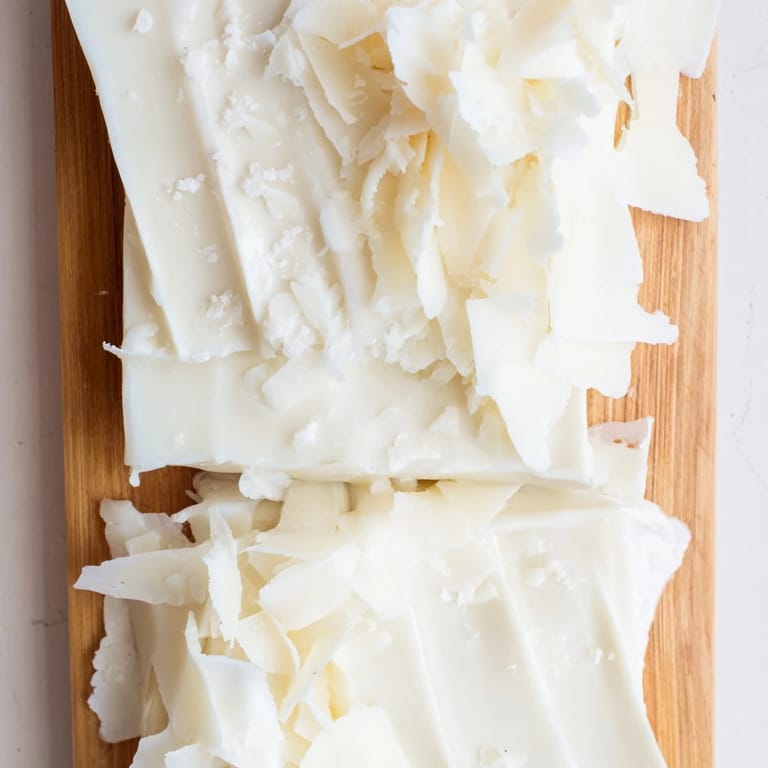
- While the chocolate chills, use a sharp vegetable peeler or knife to shave thin pieces from the parmesan block. Hold the blade at an angle and let the cheese curl naturally—these shards are your texture, your salt note, your surprise.
- Break and Arrange:
- Once the chocolate has set, gently break it into large, jagged pieces like you're cracking ice on a frozen lake. This is where patience pays off; let your hands feel what irregular looks like.
- Plate with Purpose:
- Arrange the white chocolate sheets on your chilled wooden board with intention, leaving breathing room. Scatter the parmesan shards across and around, then finish with a light sprinkle of flaky sea salt that glints in the light.
 Save
Save My favorite moment was when someone cut a piece with the edge of a fork and asked if this was really a dessert. I realized then that confusion was the highest compliment I could get.
The Sweet and Savory Balance
This dish works because it plays with what you expect. Your mouth anticipates sweetness, and instead finds this bright, salty umami note that makes the chocolate taste richer, almost more luxurious. It's a reminder that flavor exists in contrast, not perfection.
Presentation as Part of the Recipe
The wood board isn't decoration—it's essential to how this tastes. The warmth of natural wood against white chocolate and pale cheese creates this visual narrative about frozen landscapes and human craftsmanship side by side. Serve it on anything else and it becomes a nice dessert; serve it on wood and it becomes an experience.
Variations and Moments
Once you understand the framework, you can play. Dark chocolate reads differently—more sophisticated, almost bitter in the best way. Some nights I scatter edible flowers across the top if I'm feeling delicate, or microgreens if I want to push the savory angle further. The board stays the same, but the story changes.
- Try pairing it with a chilled dry sparkling wine that cuts through the richness.
- Keep the board frozen just long enough to slow the chocolate softening, but not so long that everything goes numb.
- Break the chocolate on the board itself if you want the plating to feel like a live moment rather than something pre-planned.
 Save
Save This dessert taught me that sometimes the most memorable food isn't complicated—it's just about seeing two simple things and trusting that they belong together. Every time I make it, I remember that quiet moment when the idea first arrived, and I get to share that moment with someone else.
Recipe FAQs
- → How do you achieve the thin chocolate sheets?
Melt white chocolate gently and spread evenly on parchment about 2 mm thick, then chill until fully set to create crisp sheets.
- → What type of parmesan is best for shards?
Use a block of Parmigiano-Reggiano and shave thin shards with a vegetable peeler or sharp knife for optimal texture.
- → Can the chocolate be substituted?
Yes, dark chocolate can be used instead of white chocolate for a more intense flavor profile.
- → How should the dessert be plated for best effect?
Arrange chocolate sheets on a chilled light wood board and scatter parmesan shards on and around for dramatic visual impact.
- → What garnish complements this dessert well?
Flaky sea salt enhances flavor, while edible flowers or microgreens add color and freshness.
- → Is chilling time important?
Yes, chilling the chocolate sheets ensures they become crisp and maintain their shape during serving.