 Save
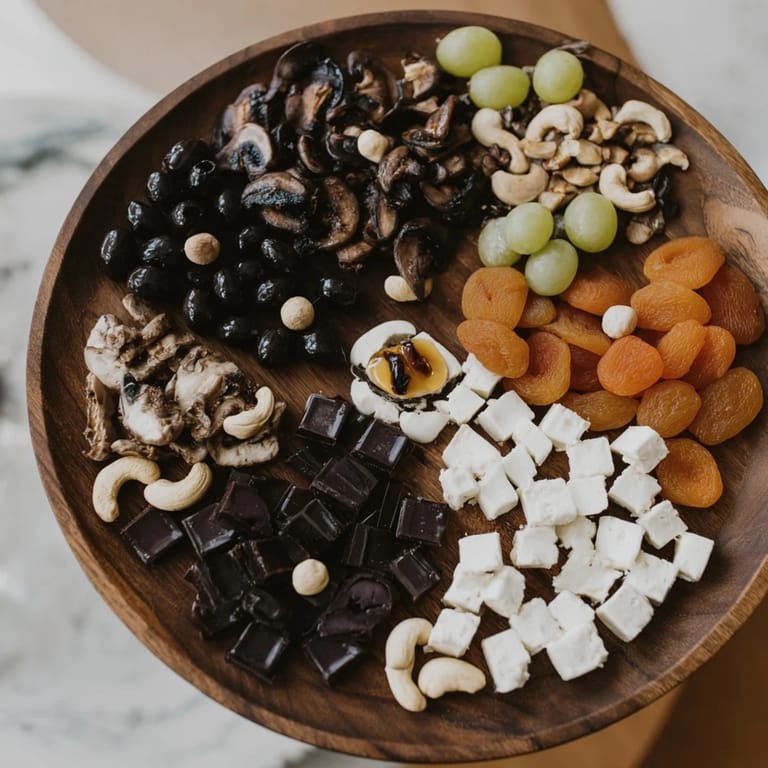
Save I discovered the magic of balance boards at a dinner party where everything felt chaotic until a friend brought out this stunning yin and yang platter. The moment I saw those contrasting colors arranged in perfect harmony, I realized appetizers didn't have to be complicated to be memorable. There was something almost meditative about the symmetry, and watching guests navigate between the dark and light sides felt like orchestrating a culinary conversation. That night, I learned that presentation isn't just about aesthetics—it's about creating an experience that draws people together.
I remember making this for my sister's art opening, thinking the minimalist yin and yang concept would resonate with her creative crowd. When I unveiled it, the room actually went quiet for a moment—not because it was pretentious, but because it felt like edible poetry. People who normally rushed through appetizers actually paused, studied the arrangement, and shared it mindfully with their companions. That's when I understood: the best recipes are the ones that make people slow down.
Ingredients
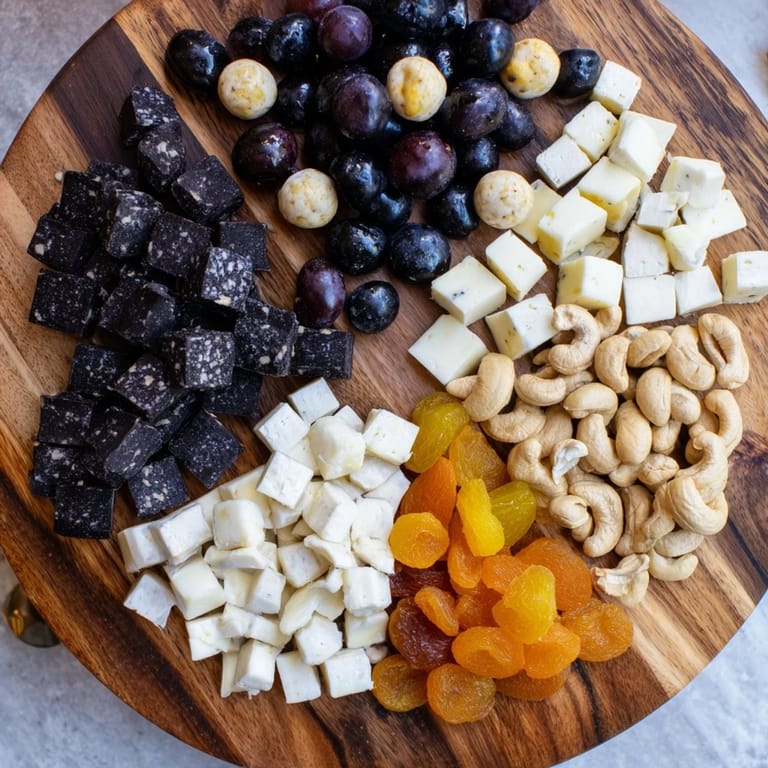
- Black olives, pitted (1 cup): These are your foundation for the dark side—choose ones with character, whether briny Kalamata or rich Castelvetrano. Pitting them yourself costs more time but means they're less likely to roll around the board during serving.
- Dark rye crackers (80 g): The hearty grain flavor anchors the dark side with substance. Look for crackers with actual seeds and minimal additives; they photograph better and taste more refined.
- Aged balsamic-glazed mushrooms, sliced (80 g, optional): This is where umami happens. If you can't find prepared ones, slice cremini mushrooms thin and toss lightly with aged balsamic vinegar and a pinch of sea salt for depth.
- Black grapes or blackberries (60 g): These add a jewel-like quality and a touch of natural sweetness that balances the savory dark side. Their plumpness reminds guests that even the bold side can be approachable.
- Dark chocolate squares, 70% cacao or above (50 g): Break these into thoughtful pieces. Quality chocolate elevates the entire board from casual snack to curated experience. The bitter finish makes people pause and savor.
- White cheese—goat cheese, brie, or mozzarella (120 g): Creamy, mild, and forgiving. Goat cheese brings tangy elegance, brie offers luxurious softness, mozzarella provides familiar comfort. Choose based on your crowd's personality.
- Rice crackers or water crackers (80 g): The light side's canvas. Rice crackers bring delicate crispness while water crackers offer understated sophistication. Either choice should be neutral enough to let the cheese shine.
- Raw cashews or blanched almonds (60 g): These nuts add crucial texture and quiet nutrition. Their mild sweetness bridges the gap between savory and the fruits nearby.
- Dried apricots or white grapes (50 g): Concentrated sweetness that feels like a small luxury. Apricots add a subtle tartness while white grapes offer pure, innocent sweetness.
- Honey for drizzling (1 tablespoon, optional): A final whisper of golden luxury. Use raw honey if you can; it catches the light beautifully and adds a hint of floral complexity.
Tired of Takeout? 🥡
Get 10 meals you can make faster than delivery arrives. Seriously.
One email. No spam. Unsubscribe anytime.
Instructions
- Start with your canvas:
- Place your large round platter in front of you. Take a breath. This is your blank slate, and there's no pressure to be perfect. The beauty of this board lives in its intentional asymmetry.
- Mark your balance point:
- Using a small bowl or circular cutter as your guide, lightly trace an S-shaped curve down the center—imagine the flowing dividing line of a yin and yang symbol. You're not carving anything permanent; you're just giving yourself a gentle roadmap.
- Build the dark side:
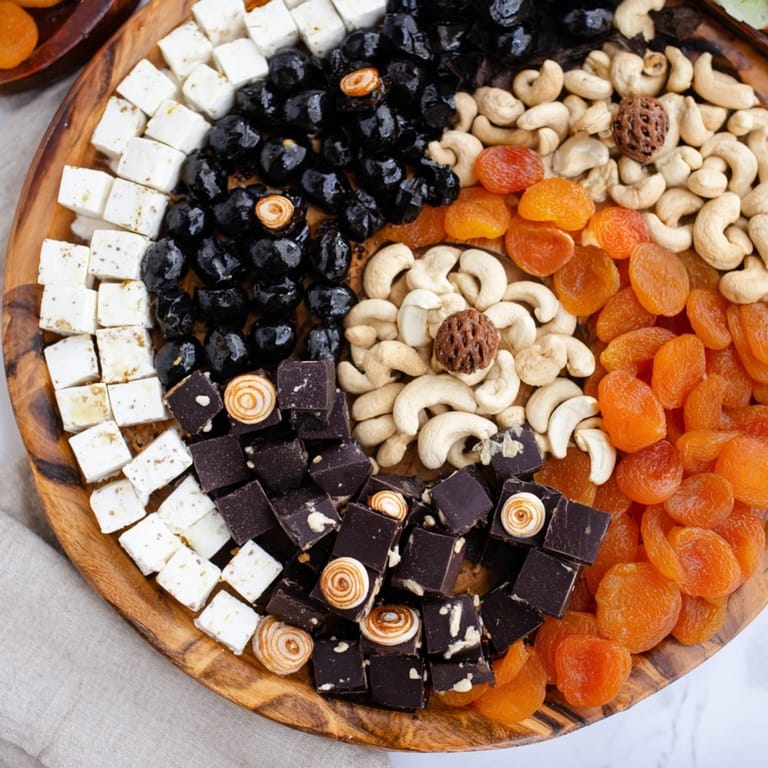
- Begin with the black olives, scattering them across one half with organic confidence. Add the dark rye crackers in clusters, letting some overlap naturally. Arrange the balsamic mushrooms in a gentle arc, then nestle the black grapes and blackberries between everything like edible jewelry. Finally, place your dark chocolate pieces in thoughtful spots. Step back and look. Does it feel balanced? Trust your eye.
- Create the light contrast:
- Move to the opposite half and work with the same intuitive energy. Arrange the cheese pieces so their creamy color and texture stand out. Fan the rice crackers at different angles. Scatter the cashews and almonds as if they're meant to be discovered. Position the dried apricots and white grapes to catch the light. If using honey, drizzle it in a thin, elegant line or delicate pools.
- Add the finishing symbol:
- Place a small round cheese ball or a perfectly chosen olive in the center of each swirl to complete the yin and yang symbol. This detail transforms the board from lovely to intentional.
- Present with presence:
- Step back and admire what you've created. When you serve it, invite your guests to enjoy both sides, suggesting they try the contrasts. Encourage the conversation between flavors. Watch how people interact with it differently than they would with a standard cheese board.
 Save
Save What moved me most about this board was watching my grandfather, a man of few words, spend nearly ten minutes studying it before selecting his first bite. He told me later it reminded him of something his mother used to say about life: that the light and shadow make each other possible. Food, I realized that evening, can hold philosophy.
The Art of Contrast
The magic of this board lives in how each side makes the other more interesting. The dark crackers make the cheese glow brighter. The soft cheese makes the hard chocolate taste richer. This isn't accident; it's the principle that drives yin and yang itself. When you're arranging, think about which ingredients will make their neighbors sing. A piece of dark chocolate next to a white grape creates a moment of discovery. This is why casual boards feel forgettable while intentional boards become memories.
Pairing and Serving
This board speaks different languages depending on what you pour alongside it. Sparkling wine creates celebration and lifts the palate between flavors. A light red wine, perhaps a Pinot Noir, brings warmth and invites deeper conversation. I've also served it with sparkling elderflower water for a nonalcoholic option that respects the board's delicate balance. The key is choosing something that honors rather than overwhelms.
Customization as Self-Expression
While the yin and yang structure provides the framework, this board is a canvas for your own preferences and what you have on hand. Substitute the cheeses based on what your local fromagerie recommends. Use different nuts if almonds aren't your favorite. Add edible flowers or fresh herbs to bring personal color and meaning. I once made this during autumn and used toasted pumpkin seeds on the light side—small changes that made it feel like mine. The recipe is the structure; your choices are the soul. Here are some variations I've loved:
- Add fresh herbs like microgreens or pea shoots for verdant pops of color and fresh bite
- Include dark dried figs or light candied ginger to deepen the sensory experience
- Drizzle aged balsamic reduction on the dark side and crème de cassis syrup on the light side for subtle luxury
 Save
Save This board taught me that the best entertaining is often about creating moments of pause, not proving you're a chef. Sometimes the most meaningful thing we can offer is beauty with ease.
Recipe FAQs
- → What is the main concept behind the balance board?
The platter reflects yin and yang, arranging dark and light components to create a visual and flavor balance.
- → Can I substitute ingredients based on dietary needs?
Yes, cheeses and crackers can be swapped for preferred varieties or dietary restrictions without disrupting the balance.
- → How is the classic yin-yang division created on the board?
Use a round board with an S-shaped curve marked down the center, separating the contrasting ingredients visually.
- → What type of nuts are recommended for the light side?
Raw cashews or blanched almonds provide a crunchy texture complementing the other light ingredients.
- → Is this platter served cooked or chilled?
It’s a no-cook arrangement, best served chilled or at room temperature to highlight fresh flavors and textures.
- → What beverages pair well with this platter?
Sparkling white wine or a light red wine pairs nicely with the diverse flavors and textures on the board.