 Save
Save Last summer, I was standing in my kitchen on a Tuesday morning, staring at a half-empty fridge and feeling the weight of another week ahead. My friend had just started meal prepping, and I was skeptical until she brought over a bowl of roasted vegetables, creamy tahini, and something called bulgur pilaf. One bite and I understood—this wasn't deprivation, it was abundance in a container. That bowl changed how I thought about feeding myself through busy weeks.
My partner walked into the kitchen while I was finishing my third bowl of these on Friday, took one look, and asked if I was feeling okay. When I slid the container toward him to taste, he went quiet, then made his own. The next week, he volunteered to roast the vegetables, and suddenly meal prep became something we did together on Sunday afternoons. Food has a way of shifting from task to ritual.
Ingredients
- Bulgur wheat: This ancient grain cooks quickly and has a nutty, satisfying chew that holds up beautifully through the week—I learned to always toast it briefly with the shallot, which deepens its flavor significantly.
- Pistachios: Their brightness and subtle saltiness cut through the earthiness of roasted vegetables in a way that feels intentional rather than random, plus they add a textural surprise.
- Eggplant: Roasted until it's golden and almost creamy inside, eggplant becomes the anchor of the bowl—the key is cubing it uniformly and turning it halfway through for even caramelization.
- Kale: Either steam it lightly or sauté it gently; over-cooking makes it bitter, but a minute too little leaves it tough, so you're aiming for that tender-but-still-has-substance moment.
- Chickpeas: These provide protein and substance without heaviness, and warming them with a touch of olive oil and salt transforms them from an ingredient into something that tastes intentional on the plate.
- Tahini dressing: This is where the magic happens—tahini can taste raw and assertive, but a squeeze of lemon juice, minced garlic, and a touch of maple syrup round it into something creamy and deeply satisfying.
- Vegetable broth: Using broth instead of water means your bulgur is already seasoned from within, saving you a step and preventing that flat, boring grain taste.
- Red bell pepper: The sweetness and slight char from roasting provide contrast to the earthier vegetables and balance the richness of tahini beautifully.
- Zucchini: Cut into half-moons so they roast quickly and evenly, developing golden edges while staying tender enough to eat without any resistance.
- Olive oil: Quality matters here since you're not cooking it down into a sauce—use something you'd actually taste straight from the bottle.
Tired of Takeout? 🥡
Get 10 meals you can make faster than delivery arrives. Seriously.
One email. No spam. Unsubscribe anytime.
Instructions
- Preheat and prepare:
- Set your oven to 425°F and give it a few minutes to reach temperature while you cut vegetables into roughly uniform pieces—this takes longer than you'd think, but it matters for even cooking.
- Roast the vegetables:
- Toss your eggplant, zucchini, and pepper with olive oil, smoked paprika, salt, and pepper, spreading them in a single layer on a baking sheet. Roast for 25 to 30 minutes, turning halfway through when you notice the edges starting to brown—you're looking for that moment when everything is golden and the eggplant is almost creamy inside.
- Toast and simmer the bulgur:
- While vegetables roast, heat olive oil in a saucepan over medium heat and sauté your finely chopped shallot until it's translucent and soft. Stir in the bulgur and cumin, toasting for about a minute until it smells nutty and slightly fragrant, then pour in vegetable broth and bring everything to a boil.
- Finish the bulgur:
- Cover the pan and reduce heat to low, letting it simmer for 12 to 15 minutes until the liquid is absorbed and the bulgur is tender with just a slight chew. Fluff with a fork, stir in your chopped pistachios, and taste for seasoning—this is when you adjust salt and pepper to your preference.
- Prepare the kale:
- You can either steam kale for 2 to 3 minutes in a basket until just wilted, or sauté it in a skillet with olive oil and salt for 3 to 4 minutes. The wilted-but-still-vibrant green is what you're after; overcooking turns it bitter and sad.
- Warm the chickpeas:
- In a small skillet, warm your drained chickpeas with a drizzle of olive oil and a pinch of salt for 2 to 3 minutes, just until they're heated through and smell toasted. This small step makes them taste intentional rather than like an afterthought.
- Make the tahini dressing:
- Whisk tahini, fresh lemon juice, minced garlic, maple syrup, and salt in a bowl until combined, then slowly add water a tablespoon at a time until the dressing reaches a pourable consistency—it should coat a spoon but not be runny. Taste and adjust, remembering that lemon juice and salt are your friends here for brightness.
- Assemble the bowls:
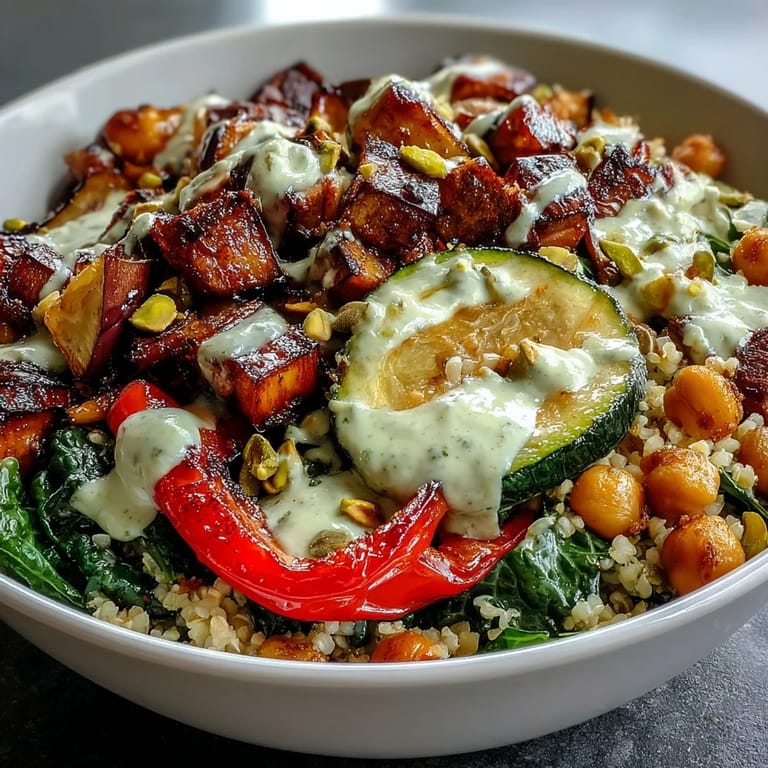
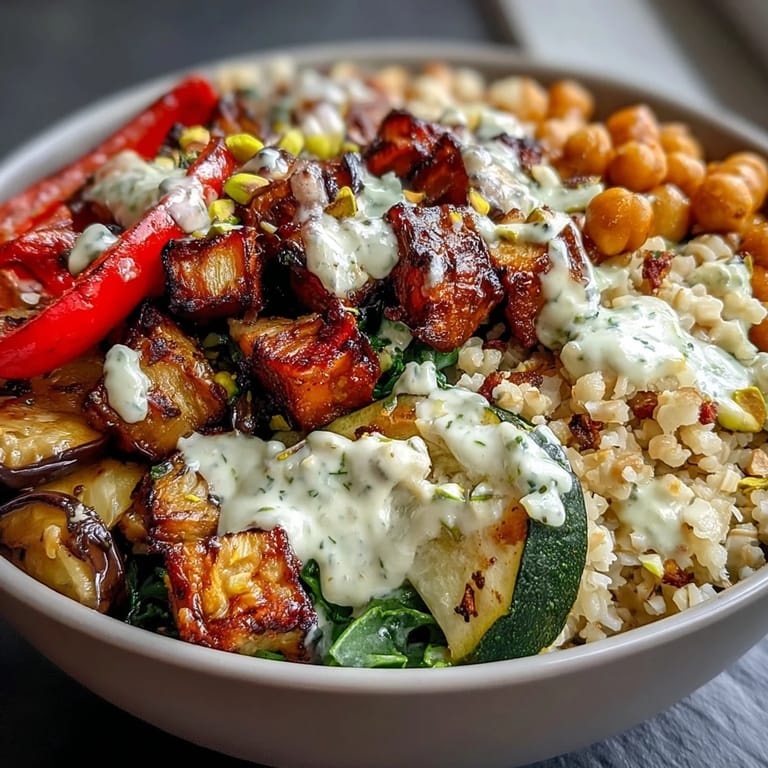
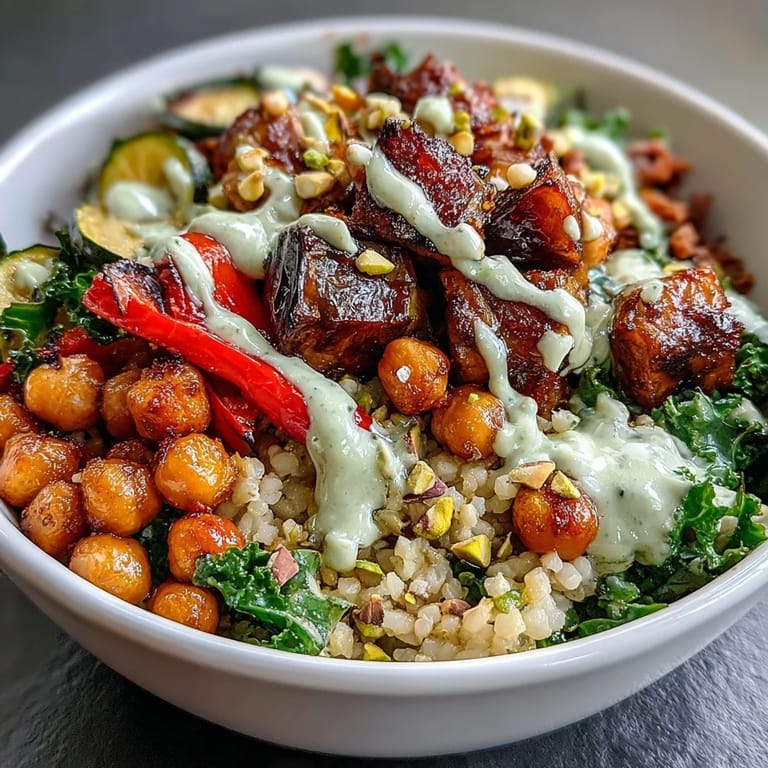
- Divide the bulgur among your containers, then arrange roasted vegetables, wilted kale, and warm chickpeas on top in sections so everything stays separate if you're prepping ahead. Drizzle generously with tahini dressing just before eating, or store the dressing separately and add it fresh each day if you're being strategic about texture preservation.
 Save
Save 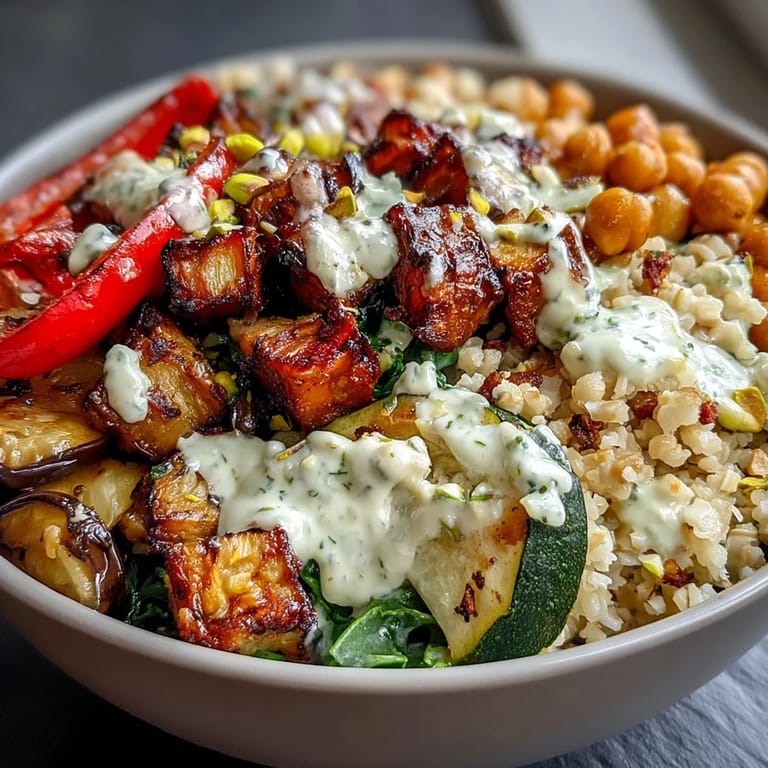 Save
Save There's something about opening your fridge on a Wednesday and seeing four perfect bowls stacked there, ready to go, that shifts your entire week. It's not just about convenience, though that's real—it's about the small act of caring for your future self, the person you'll be when you're tired and hungry and don't want to think. These bowls have made that moment simpler for me more times than I can count.
The Magic of Meal Prep
Meal prepping intimidated me for years because I thought it meant eating the exact same thing every day, which sounded like punishment. But these bowls proved that theory wrong—the components taste fresh and vibrant even days later, partly because roasted vegetables stay interesting longer than steamed ones, and partly because tahini dressing actually improves subtly as it sits and the flavors marry together. Sunday afternoon prep suddenly became my favorite part of the week.
Playing with Flavor and Texture
The real trick to loving these bowls is understanding that every component serves a purpose beyond just nutrition. The bulgur provides warmth and substance, the roasted vegetables bring earthiness and slight char, the kale adds a mineral quality and textural contrast, the chickpeas provide protein and another textural layer, and the tahini dressing ties everything together with creaminess and brightness. When one element is missing or undercooked, the whole bowl feels unbalanced.
Customization and Variations
What I love most about this formula is how it welcomes change without falling apart. Some weeks I roast sweet potatoes instead of zucchini when I find them on sale, other weeks I swap the kale for massaged spinach because it stores better, and once I substituted quinoa for bulgur when I had it on hand. Each version tastes slightly different but equally satisfying, which means this recipe actually grows with your pantry rather than constraining you to a rigid ingredient list.
- Try adding grilled tofu or crumbled feta for extra protein without completely transforming the dish.
- Roasted carrots or Brussels sprouts work beautifully in place of eggplant if you're not an eggplant person.
- A drizzle of pomegranate molasses or a squeeze of orange juice in the dressing adds another dimension if you want to keep things exciting through the week.
 Save
Save  Save
Save These bowls have become my answer to the question of how to eat well when life gets busy, which turns out to be the most important question. There's something deeply satisfying about setting yourself up for success on a Sunday afternoon, then moving through your week knowing you've already chosen nourishment.
Recipe FAQs
- → How long do these bowls keep in the refrigerator?
These Mediterranean bowls stay fresh for 4-5 days when stored properly in airtight containers. The bulgur and roasted vegetables maintain their texture well, and flavors actually develop and meld over time. Keep the tahini dressing separate if possible, adding it just before serving for optimal freshness.
- → Can I freeze the components for longer storage?
The roasted vegetables, chickpeas, and kale freeze beautifully for up to 3 months. Bulgur tends to become mushy when frozen and thawed, so it's best prepared fresh. Alternatively, freeze complete bowls without the dressing—thaw overnight in the refrigerator and drizzle with fresh tahini sauce before eating.
- → What makes a good substitution for bulgur?
Quinoa works wonderfully as a gluten-free alternative with similar cooking time. Brown rice or farro offer satisfying chewiness but require longer cooking. For a grain-free option, try cauliflower rice or shredded sweet potato, though cooking times will vary significantly.
- → How can I add more protein to these bowls?
Grilled chicken or salmon flakes complement the Mediterranean flavors perfectly. For plant-based options, add baked tofu, tempeh strips, or extra chickpeas. A dollop of Greek yogurt or crumbled feta cheese also boosts protein while enhancing the creamy, tangy elements already present.
- → Why is my tahini dressing too thick or bitter?
Tahini naturally thickens when refrigerated—simply whisk in warm water one tablespoon at a time until smooth and pourable. If the taste seems bitter, your tahini might be over-roasted. Balance it with additional maple syrup or a pinch of salt. Fresh lemon juice also cuts through bitterness beautifully.
- → Can I reduce the roasting time for the vegetables?
Cutting vegetables into smaller ½-inch pieces reduces roasting time to 15-20 minutes. Alternatively, use an air fryer at 400°F for 12-15 minutes, shaking halfway. The key is achieving golden edges and tender centers—rushing this step sacrifices the caramelized sweetness that makes these bowls special.