 Save
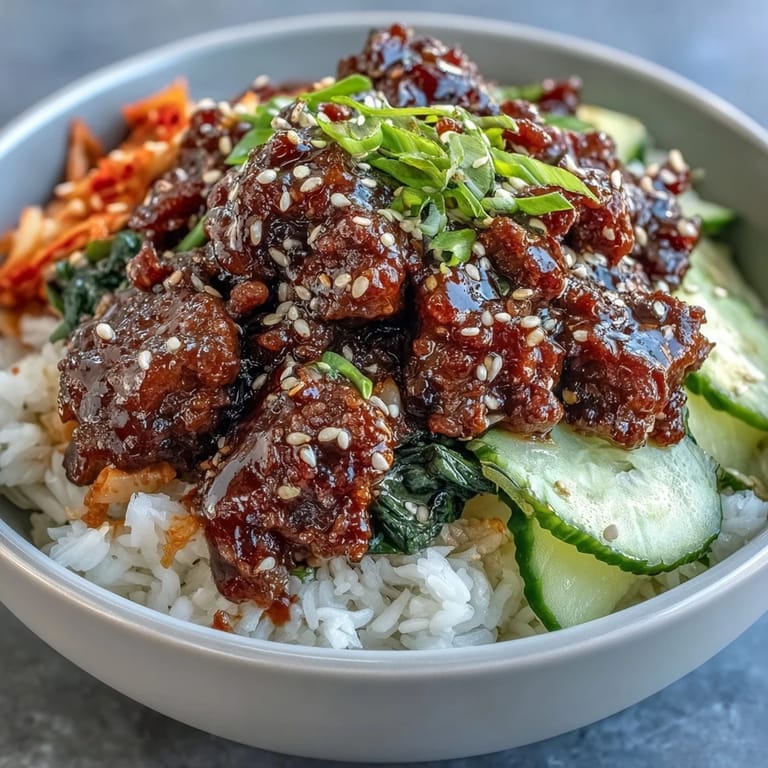
Save My friend Min texted me a photo of her lunch one Tuesday—a bowl so vibrant it practically glowed through my phone screen. When she finally taught me how to make it, I realized Korean ground beef bowls weren't some complicated restaurant secret but rather a beautiful balance of umami, heat, and texture that comes together in about half an hour. The first time I made it for my family, my youngest actually asked for seconds without being prompted, which felt like winning the dinner lottery. What started as a quick weeknight meal has become my go-to when I want something that tastes impressive but doesn't demand hours in the kitchen.
I made this for a potluck last spring and watched people come back for thirds, even folks who claimed they didn't like Korean food. Someone's mom asked for the recipe before leaving, and I remember thinking how funny it was that something so straightforward could feel like such a win. That bowl became the thing people asked me to bring to gatherings, which honestly felt better than any compliment about fancier dishes I'd attempted.
Ingredients
- Lean ground beef: The 1 lb amount feeds four generously, and lean works better here because the sauce adds richness without excess grease pooling at the bottom.
- Gochujang: This Korean chili paste is the soul of the dish—it's spicy but also somehow sweet and complex, nothing like hot sauce you might expect.
- Soy sauce: Use regular soy sauce or tamari if you need it gluten-free, and don't skip it because the saltiness balances the chili paste's intensity.
- Brown sugar: Just a tablespoon rounds out the flavors and prevents the sauce from tasting one-note and harsh.
- Garlic and ginger: Mince these fresh, never from a jar—the difference in aroma alone is worth the extra thirty seconds.
- Toasted sesame oil: The toasted kind has so much more personality than regular sesame oil, and a little goes a long way in this dish.
- Green onions: Split between the sauce and the garnish so you get that fresh bite in both places.
- Short-grain rice: White or brown, it needs to be sticky enough to hold the sauce but not mushy.
- Edamame: Adds protein and a satisfying pop of texture that makes the bowl feel complete.
- Cucumber: Slice it thin so it stays crisp and cool against the warm spiced beef.
- Carrot: Julienne it to match the delicate feel of the other vegetables, or shred it if you prefer more surface area for the dressing.
- Kimchi: The fermented funk here is essential—it cuts through richness and adds a complexity store-bought condiments can't match.
- Toasted sesame seeds: Toast your own if possible because the difference between fresh-toasted and pre-packaged is genuinely noticeable.
Tired of Takeout? 🥡
Get 10 meals you can make faster than delivery arrives. Seriously.
One email. No spam. Unsubscribe anytime.
Instructions
- Wake up your aromatics:
- Heat the sesame oil in a large skillet over medium heat, then add your minced garlic and ginger. You'll know they're ready when the kitchen smells so good you can barely stand the wait—about one minute.
- Brown the beef:
- Add the ground beef and break it up with a spatula as it cooks, making sure pieces get golden and cooked through over five to six minutes. Don't rush this step because the browning adds flavor that simmering alone can't deliver.
- Build the sauce:
- Stir in the gochujang, soy sauce, and brown sugar, letting everything bubble gently for two to three minutes so the flavors meld and the sauce coats each piece of beef like a glossy jacket. The mixture should smell incredible and taste balanced between salty, spicy, and slightly sweet.
- Finish with freshness:
- Remove from heat and stir in half the green onions, which adds brightness right before serving.
- Assemble with intention:
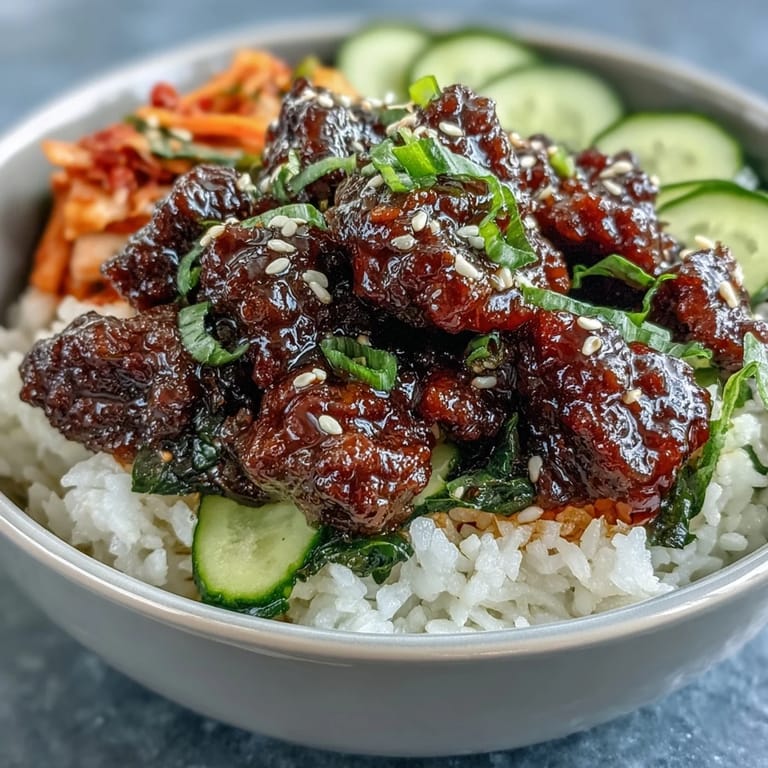
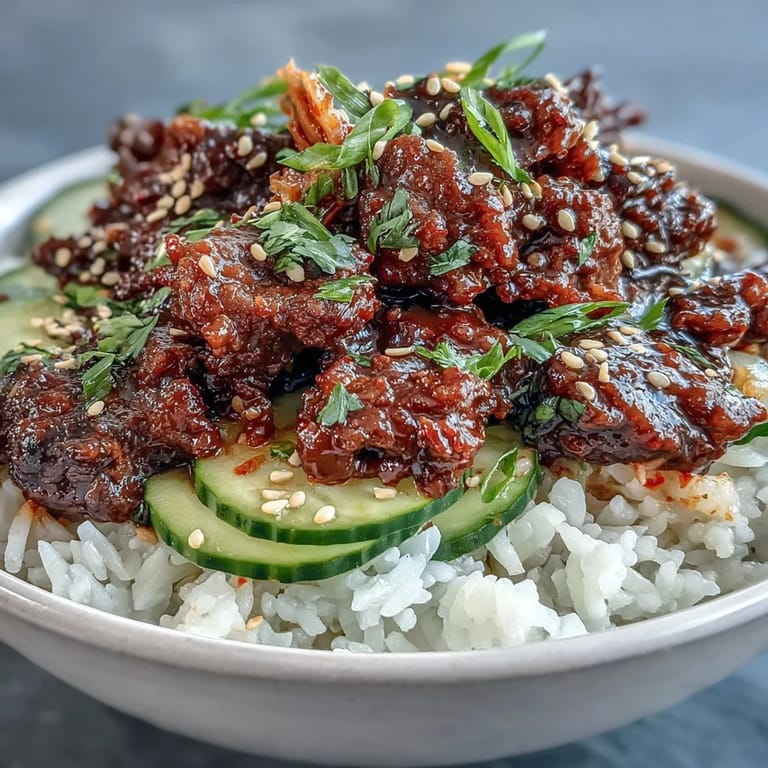
- Divide your rice into four bowls and arrange the beef, edamame, cucumber, carrot, and kimchi on top like you're creating something beautiful rather than just feeding people. The colors matter here—they're part of the experience.
- Garnish and serve:
- Sprinkle the remaining green onions and toasted sesame seeds over everything, then eat it while the beef is still warm and the vegetables are still crisp.
 Save
Save My partner once asked if I could make this on a really rough day, and something about the routine of slicing vegetables and seasoning the beef felt almost meditative. By the time we sat down to eat, the day didn't feel quite so heavy anymore. That's when I realized this bowl isn't just efficient or delicious—it's quietly restorative in a way that matters.
Why This Bowl Works So Well
The genius of Korean ground beef bowls is that nothing here needs to be perfectly ripe or at peak season, which means you can make it reliably year-round without worrying about sourcing. The contrast between warm spiced beef and cool crisp vegetables creates satisfaction in every bite, and the rice soaks up all that umami-rich sauce so nothing goes to waste. Each element stands alone but becomes something better when eaten together.
Making It Your Own
Once you understand the basic formula, this dish becomes endlessly adaptable without losing its identity. You can swap the ground beef for ground turkey if you want something lighter, or use plant-based crumbles if you're cooking for vegetarians. The sauce works just as well with chicken or even pressed tofu, so don't let the original ingredient stop you from making this a regular part of your rotation.
Small Details That Make the Difference
I learned the hard way that pre-sliced vegetables from the grocery store work but don't compare to what you cut five minutes before eating. The gochujang paste should be stored properly so it stays fresh and vibrant rather than drying out in the back of your fridge. When you're slicing cucumbers and julienning carrots, do it with intention—these quiet moments of knife work are where the real pleasure of cooking lives.
- If you want extra crunch and color, add thinly sliced radish or shredded cabbage right before serving.
- A fried egg on top brings richness and makes the whole thing feel even more restaurant-quality without extra effort.
- Make the beef component ahead of time and reheat it gently, then assemble fresh bowls when you're ready to eat.
 Save
Save This bowl has become the recipe I reach for when I want to feel like I'm cooking something special without any pretense or stress. It's the kind of meal that makes people happy, that tastes good, and that doesn't require you to be anything other than present and willing to spend thirty minutes in the kitchen.
Recipe FAQs
- → What does gochujang taste like?
Gochujang is a fermented Korean chili paste with a complex flavor profile—savory, slightly sweet, and moderately spicy. It adds rich umami depth and a beautiful red color to dishes.
- → Can I make this dish vegetarian?
Yes, substitute ground beef with plant-based crumbles, extra-firm tofu, or additional vegetables like mushrooms and bell peppers. Use a vegetarian gochujang and tamari instead of soy sauce.
- → Is this dish very spicy?
The spice level is moderate and adjustable. Gochujang provides a gentle warmth rather than overwhelming heat. Reduce the amount for a milder version or add extra for those who enjoy more spice.
- → What rice works best for this bowl?
Short-grain white or brown rice is traditional for Korean cuisine. The slightly sticky texture helps bind ingredients together. Jasmine or sushi rice are excellent alternatives.
- → How should I store leftovers?
Keep components separately in airtight containers in the refrigerator for up to 3 days. Reheat the beef gently and serve over freshly warmed rice for the best texture and flavor.
- → Can I prepare the beef ahead of time?
Absolutely. Cook the seasoned beef up to 2 days in advance and store it refrigerated. Reheat in a skillet with a splash of water before assembling bowls with fresh vegetables and rice.