 Save
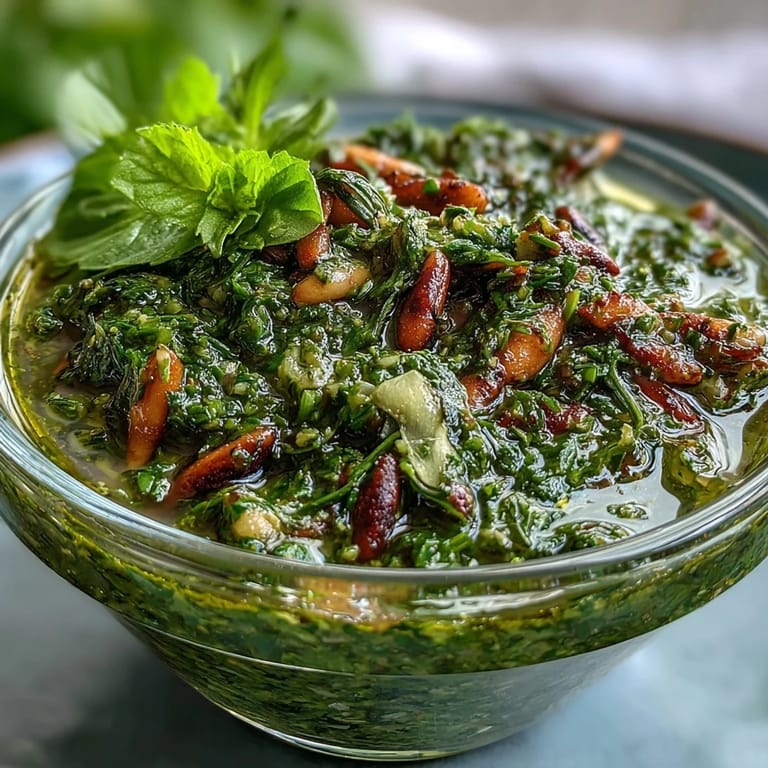
Save My neighbor threw a handful of dandelion greens over the fence one spring morning, insisting I stop letting them go to waste in her yard. I'd always thought of them as weeds, but that afternoon, I toasted some pine nuts and threw everything into a food processor, curious what would happen. The result was this gloriously bitter, nutty pesto that tasted like springtime itself—nothing like the basil versions I'd made a hundred times before. It became the thing I reach for whenever I want to remind myself that the best meals often start with someone else's problem.
I made this for a potluck once and watched someone's face change the moment they tasted it on bread. They kept coming back to ask what was in it, half-convinced I'd added something magical, and I realized then that pesto doesn't always need to be familiar to be beloved. It just needs to taste alive.
Ingredients
- Fresh dandelion greens (2 cups, loosely packed): Wash them thoroughly and trim any tough stems; the younger leaves are milder, but older ones carry more character and bite.
- Fresh basil leaves (1/2 cup, optional): This softens the dandelion's edge if you're building up courage, but don't add it just out of habit.
- Pine nuts (1/3 cup, toasted): Toast them yourself in a dry skillet until they smell almost too good—this step unlocks their richness and keeps them from tasting raw and flat.
- Freshly grated Parmesan cheese (1/2 cup): Grate it fresh from a block if you can; the pre-grated stuff has cellulose that makes the pesto feel chalky instead of creamy.
- Garlic cloves (2 large, peeled): Two is enough to be heard but not so much that it drowns out the greens' personality.
- Extra-virgin olive oil (1/2 cup): Choose one you actually like tasting plain, since it carries the whole flavor forward.
- Lemon juice (from 1/2 lemon): Fresh squeezed, always—it brightens everything and cuts through the richness with an invisible hand.
- Kosher salt (1/2 teaspoon) and freshly ground black pepper (1/4 teaspoon): Taste as you go; salt wakes up the bitterness in interesting ways.
Tired of Takeout? 🥡
Get 10 meals you can make faster than delivery arrives. Seriously.
One email. No spam. Unsubscribe anytime.
Instructions
- Toast the pine nuts until they sing:
- Warm a skillet over medium heat and scatter in the pine nuts, stirring constantly for 2 to 3 minutes. You'll smell a toasty, almost caramel-like aroma when they're done; pull them off right then and let them cool on a plate so they don't keep cooking and turn bitter.
- Build the base in the food processor:
- Pulse the dandelion greens, basil, garlic, cooled pine nuts, and Parmesan together until everything is finely chopped but still has some visible texture. This takes 5 to 8 pulses; don't turn it into a paste yet.
- Stream in the oil and lemon with care:
- Turn the processor on low and pour in the olive oil in a thin, steady stream while it runs, then do the same with the lemon juice. Stop every few seconds to scrape down the sides so nothing gets missed, and blend until the whole thing becomes smooth and emulsified.
- Season and taste your way to balance:
- Add the salt and pepper, pulse to combine, then taste it on a small spoon or piece of bread. Adjust the seasoning or add a squeeze more lemon if it needs brightness, remembering that the bitterness is the whole point.
- Store it somewhere it will get used:
- Transfer to a clean jar and refrigerate for up to a week, though it's best eaten within a few days while the color stays vivid and the flavor feels alive.
 Save
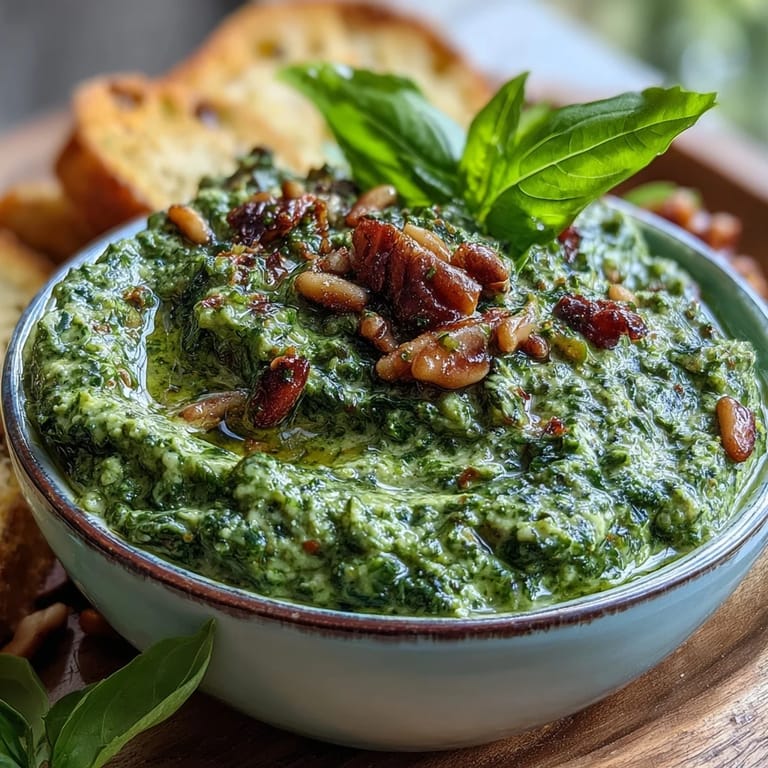
Save A friend once told me she spread this on roasted sweet potato and ate the whole thing standing at her kitchen counter at midnight, which felt like a small victory for a pesto made from weeds. That's when I knew I'd stopped thinking of it as a test and started thinking of it as real food.
How to Use It (Beyond the Obvious)
Pasta gets the obvious treatment—toss warm linguine with a spoonful and let the heat wake everything up—but the real magic happens when you think sideways. I've stirred it into cream cheese for sandwiches, dolloped it on roasted vegetables, swirled it into soups just before serving, and even spread it under the skin of roasted chicken. It's the kind of condiment that makes everything taste like it's been thought about.
Why Dandelions Matter More Than You Think
Dandelion greens are loaded with vitamins and minerals your body actually needs, especially in spring when you're tired of stored root vegetables and canned tomatoes. They're also free if you've got a yard or access to someone else's, which means this pesto costs less than half the price of the basil version while tasting infinitely more interesting. Growing up, we threw them away without a second thought; now I hunt for them like treasure.
Storage and Keeping It Fresh
This pesto will keep in the refrigerator for about a week if you press plastic wrap directly onto its surface to keep air from turning it brown. You can also freeze it in ice cube trays and pop out cubes whenever you need a bright moment in a dish, though the basil (if you added it) will darken over time. The flavor actually deepens a day or two after making it, so don't judge it right away if it feels too sharp.
- Cover it tightly or press plastic directly on the surface to prevent oxidation and browning.
- Bring it to room temperature before using if it's been in the cold, since chilled pesto tastes muted and flat.
- Taste and adjust the seasoning just before serving, as flavors settle and shift during storage.
 Save
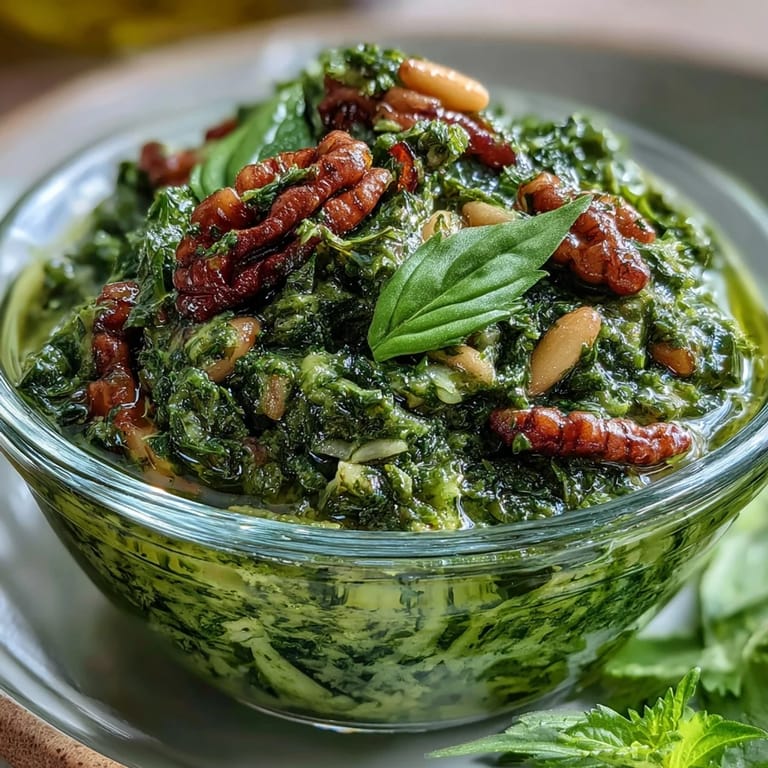
Save This pesto started as a way to use up a neighbor's spring abundance and became the thing I make whenever I need to turn something overlooked into something unforgettable. Make it once and you'll understand why some of the best food comes from paying attention to what's growing right in front of you.