 Save
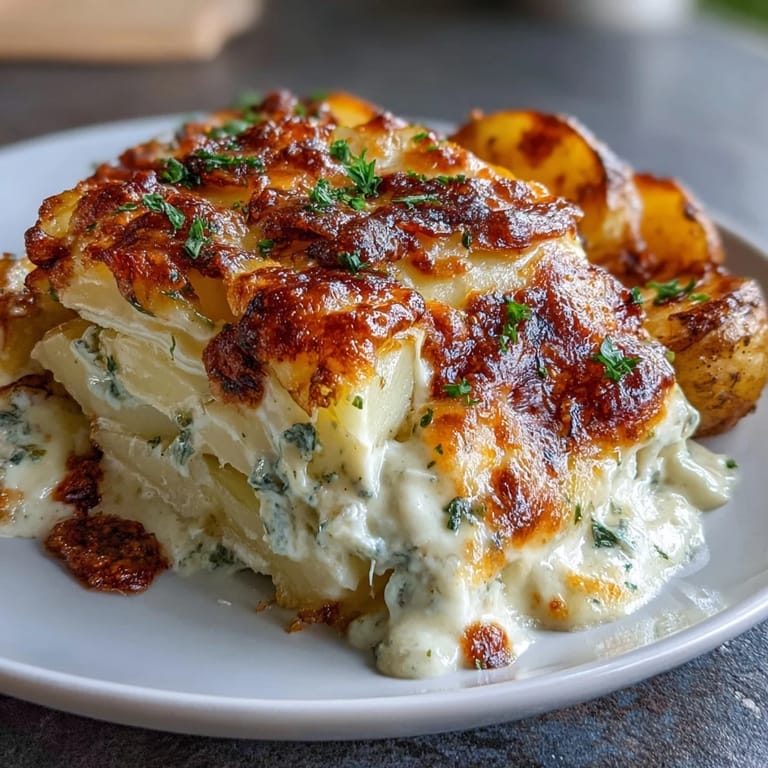
Save My sister called me in a panic the week before Thanksgiving, asking if I could bring a side dish that would actually disappear from the table. I'd been making these scalloped potatoes for years, mostly out of laziness and the fact that they require almost zero attention once they hit the oven. The first time I made them, I was honestly just trying to use up some potatoes and cheddar before they went bad, and somehow created something so comforting that it became the dish people now specifically request. There's something magical about layers of cream, cheese, and potatoes that transforms into this golden, bubbling masterpiece.
I made this for my neighbors last summer when they were going through a rough patch, and watching them take that first bite—the way their shoulders actually relaxed—reminded me that food really is a love language. The creamy, cheesy layers somehow feel both humble and special at the same time, like you're serving comfort in its purest form.
Ingredients
- Yukon Gold or Russet potatoes (2 lbs): Yukon Golds stay creamy and hold their shape beautifully, but Russets work too if that's what you have—just don't use red potatoes or they'll get mealy. A mandoline slicer will save your knuckles and give you consistent thickness, which matters more than you'd think.
- Yellow onion (1 medium): The sweetness balances the richness of the cheese, and thin slicing means it softens completely into the cream.
- Sharp cheddar cheese (2 cups): The word sharp here is your friend—it means actual flavor, not that mild stuff that disappears into the sauce.
- Mozzarella cheese (1 cup): This is your stretchy, melty base that keeps everything creamy instead of getting grainy or separated.
- Whole milk (2 cups): Don't use skim—you need the fat content to make a proper sauce that clings to every potato slice.
- Unsalted butter (2 tbsp): This is your roux base, so the quality matters more than you'd expect from just two tablespoons.
- All-purpose flour (2 tbsp): This thickens without adding a floury taste, but constant whisking is non-negotiable here.
- Salt, black pepper, garlic powder, paprika: The paprika on top isn't just for looks—it adds a whisper of smokiness that elevates the whole dish.
Tired of Takeout? 🥡
Get 10 meals you can make faster than delivery arrives. Seriously.
One email. No spam. Unsubscribe anytime.
Instructions
- Get your oven ready and prep your dish:
- Preheat to 375°F and grease that 9x13-inch baking dish with a little butter so nothing sticks. This might seem obvious, but I once forgot the greasing and spent twenty minutes scraping hardened potato off ceramic—don't be like past me.
- Make your roux:
- Melt the butter over medium heat, then whisk in the flour immediately—you want it to bubble gently for about a minute, turning golden and smelling slightly nutty. If it starts browning too much, pull it off the heat because you're looking for blonde, not brunette.
- Build the sauce:
- Slowly pour in the milk while whisking like your life depends on it, because lumps are the enemy and constant movement prevents them. Keep going until it coats the back of a spoon, usually three to four minutes, and it should look silky, not thin.
- Season and add cheese:
- Stir in your salt, pepper, garlic powder, and half the cheeses off the heat so they melt gently without getting stringy. Taste it here—this is your only chance to adjust seasoning before it goes into the oven.
- Layer like you mean it:
- Half the potatoes go down first, then half the onions, then half the sauce—it matters that they're even layers because you want every bite to have cream and cheese. Then repeat with the remaining ingredients, and try to overlap your potato slices slightly so they stay together.
- Top and cover:
- Sprinkle the remaining cheeses over everything and dust with paprika for color and flavor. Cover tightly with foil because uncovered potatoes steam differently and won't cook evenly.
- Bake covered then uncovered:
- Forty minutes covered lets the potatoes steam through and soften, then remove the foil and bake another twenty-five to thirty minutes until the top is golden and you can see the cream bubbling at the edges. The potatoes should be fork-tender, and the cheese on top should have little crispy bits.
- Rest before serving:
- Ten minutes might feel like forever, but this lets everything set slightly so it doesn't collapse into a puddle when you scoop it. Plus it gives your guests time to arrive and fill their plates.
 Save
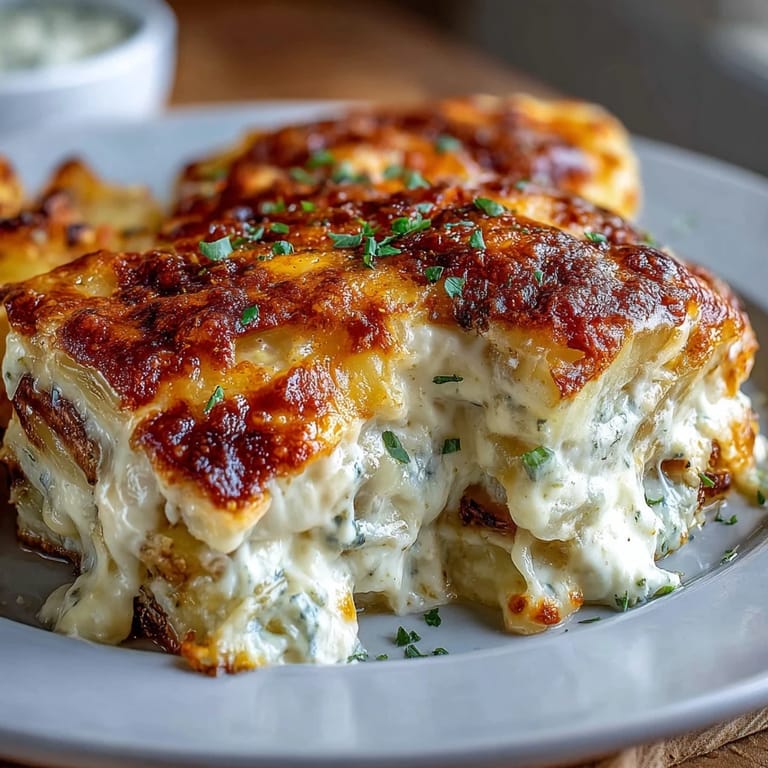
Save Years ago, my dad asked me to teach him how to make this because he wanted to bring something to a potluck without looking like he'd just grabbed something from a box. Watching this man who burned water actually nail the roux on his first try and beam with genuine pride—that's when I realized this recipe works because it actually is that simple, no tricks needed.
Why This Works as a Side Dish
Scalloped potatoes are the quiet hero of any plate because they don't try to steal the show—they just make everything else taste better. They're rich enough to feel special but not so heavy that they overwhelm roasted meat or ham, which is probably why they've been the default holiday side for generations.
Storage and Make-Ahead Strategy
You can assemble this in the morning, cover it, and refrigerate until you're ready to bake—just add five to ten minutes to the covered baking time since it's going straight from cold to hot. Leftovers reheat beautifully in a low oven with a loose foil tent, and honestly, cold straight from the fridge at midnight tastes pretty good too.
Simple Variations That Actually Matter
The base recipe is perfect as is, but if you're feeling adventurous, there are a few directions you can take it without making things complicated. A pinch of nutmeg in the sauce tastes like you've been cooking French food your whole life, even though you just added an eighth of a teaspoon. Fresh herbs scattered between layers add brightness—chives, thyme, or even just parsley work beautifully.
- Try Gruyère instead of cheddar for an earthier, more sophisticated flavor that still melts beautifully.
- Add crispy bacon bits between layers if you want to make vegetarians reconsider their life choices in the best way possible.
- A light grating of nutmeg in the cream sauce elevates everything without anyone knowing exactly why it tastes so good.
 Save
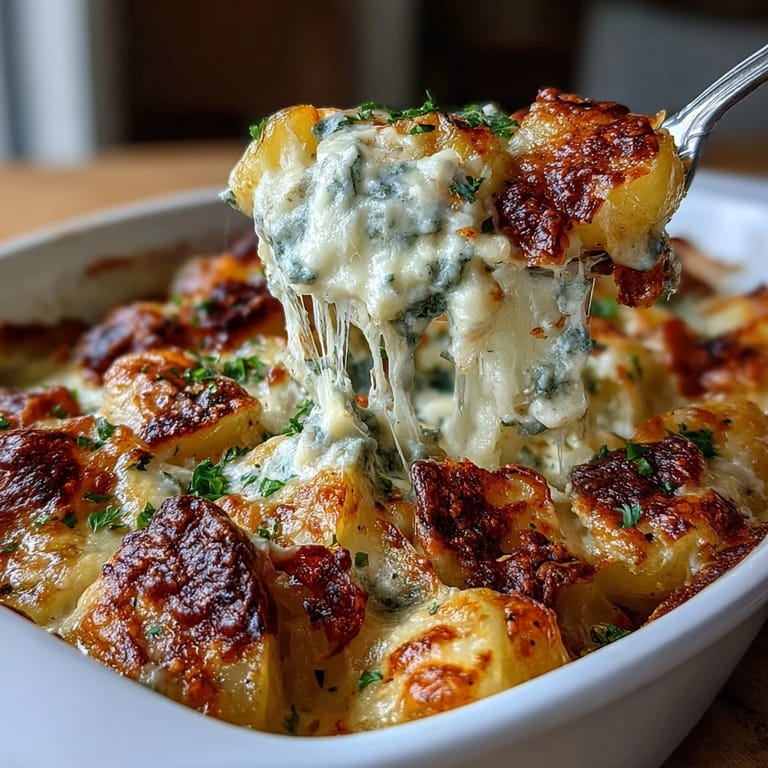
Save This recipe has fed my family through countless dinners and celebrations, and every single time someone asks for the recipe, I know it's actually going to get made and loved. That's the mark of something truly good—not complicated, not trendy, just honest food that makes people happy.
Recipe FAQs
- → What type of potatoes work best for this dish?
Yukon Gold or Russet potatoes are ideal due to their texture and ability to hold thin slices well during baking.
- → Can I substitute the cheeses used here?
Yes, Gruyère or other melting cheeses can be used in place of cheddar and mozzarella for a different flavor profile.
- → How do I avoid lumps in the cheese sauce?
Whisk the flour and butter well to form a roux before gradually adding milk while stirring continuously; this ensures a smooth sauce.
- → Is it necessary to cover the dish during baking?
Covering prevents the top from browning too quickly and helps the potatoes cook evenly; uncovering near the end creates a golden crust.
- → Can this dish be prepared ahead of time?
Yes, it can be assembled several hours in advance and baked just before serving for convenience.