 Save
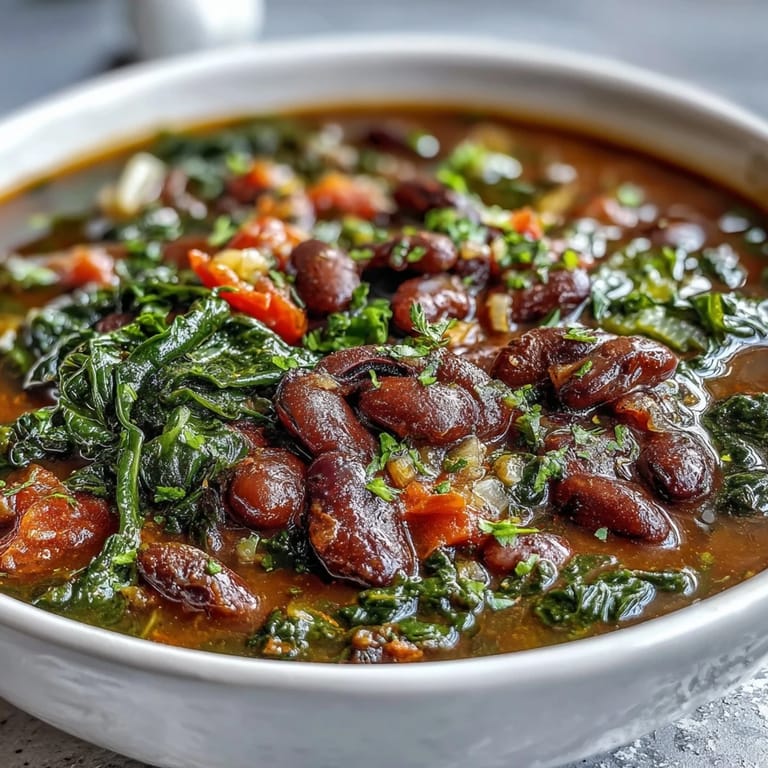
Save My grandmother's kitchen smelled like this stew on Saturday mornings, the kind of aroma that pulled you out of bed and made you want to sit at the table before anything else happened. She'd say the collard greens had to cook low and slow, that rushing them was like trying to hurry wisdom, and somehow that stuck with me. Years later, I found myself standing in my own kitchen doing exactly what her hands had taught mine, watching the greens soften into that deep, tender surrender. This stew became my answer to cold afternoons and the kind of hunger that needs more than just filling—it needs comfort.
I made this for my friend Marcus on a Wednesday when nothing else seemed right, when the weather had turned gray and his daughter had just started college. He sat at my counter while it bubbled away, and we didn't talk much, just listened to the gentle sound of the pot and watched the steam rise. When he took that first spoonful, something in his face softened, and he said it tasted like his mother's house. That's when I understood this stew isn't really about the ingredients—it's about what happens when you're patient enough to let them become something bigger.
Ingredients
- Olive oil: Two tablespoons might seem modest, but it's enough to coax out the sweetness from your onions and build the foundation everything else rests on.
- Yellow onion: One large one, diced, because this is where your stew learns to taste like home.
- Garlic: Three cloves, minced fine, so they disappear into the broth and make you wonder where all that warmth is coming from.
- Carrots and celery: Two of each, cut into dice that's not too small or they'll vanish, not too large or they'll feel like you're working too hard to eat them.
- Jalapeño: Optional, but it whispers a question at the back of your throat that keeps you interested.
- Collard greens: One bunch, stems removed and leaves chopped—this is the soul of the dish, so treat them gently.
- Diced tomatoes: One can with its juices, bringing brightness and acid to balance all that earthiness.
- Black-eyed peas: Three cups cooked or two cans, drained and rinsed, the protein and heart of every spoonful.
- Vegetable broth: Four cups, low-sodium so you control the seasoning yourself.
- Water: One cup, to stretch things out and let flavors bloom without crowding.
- Smoked paprika: One teaspoon, giving everything that hint of fire and smoke like a memory of something Southern and good.
- Dried thyme: One teaspoon, old-fashioned and reliable, the kind of herb that never lets you down.
- Cayenne pepper: Half a teaspoon optional, for those moments when you want to wake people up a little.
- Salt and black pepper: One teaspoon salt, half teaspoon pepper, adjusted at the end when you know what you're working with.
- Bay leaves: Two of them, floating through like little rafts, keeping watch over everything.
- Apple cider vinegar: One tablespoon, the last note that ties everything together and makes you taste it all over again.
Tired of Takeout? 🥡
Get 10 meals you can make faster than delivery arrives. Seriously.
One email. No spam. Unsubscribe anytime.
Instructions
- Warm your oil and start the soften:
- Heat those two tablespoons of olive oil in your largest pot over medium heat, and when it's moving easily around the bottom, add your diced onion, carrots, celery, and jalapeño if you're feeling it. You're looking for about six to eight minutes of gentle cooking, until everything begins to turn tender and the onion becomes translucent—you'll know it's happening when the kitchen starts to smell like something you want to stay in.
- Let the garlic bloom:
- Add your minced garlic and stir for just one minute, not much longer or it'll turn bitter and you'll have to start again. This minute changes everything—the smell will suddenly deepen, and you'll understand why people used to say garlic was magical.
- Toast your spices into being:
- Sprinkle in the smoked paprika, thyme, cayenne if you're using it, salt, and pepper, then give it one more minute of cooking, stirring constantly so they don't scorch. This step toasts them just enough that they stop being powder and start being flavor.
- Invite the greens to the party:
- Add all that chopped collard greens and cook them, stirring often, for three to four minutes until they begin to soften and surrender. They'll seem like too much for the pot at first, but they're water-rich and they'll make room for themselves.
- Build the body of the stew:
- Pour in your canned tomatoes with all their juice, your cooked black-eyed peas, the vegetable broth, the water, and slip in those two bay leaves. Give it a good stir so everything gets to meet everything else, then watch as the liquid rises and ties all the pieces together.
- Let it simmer into patience:
- Bring it up to a gentle simmer, then turn the heat down to low, cover the pot, and let it go for forty-five to fifty minutes, stirring every so often and listening to the quiet, steady bubbling. This is when you step back and let time do its work, when the collards become tender enough to break with the back of your spoon and all the flavors learn how to dance together.
- The finishing touch:
- Fish out those bay leaves, then stir in your apple cider vinegar—it's the thing that makes you suddenly taste everything more clearly, like the stew just said something it'd been holding back. Taste it, adjust your salt and pepper if it needs you, and then it's ready to meet the world.
 Save
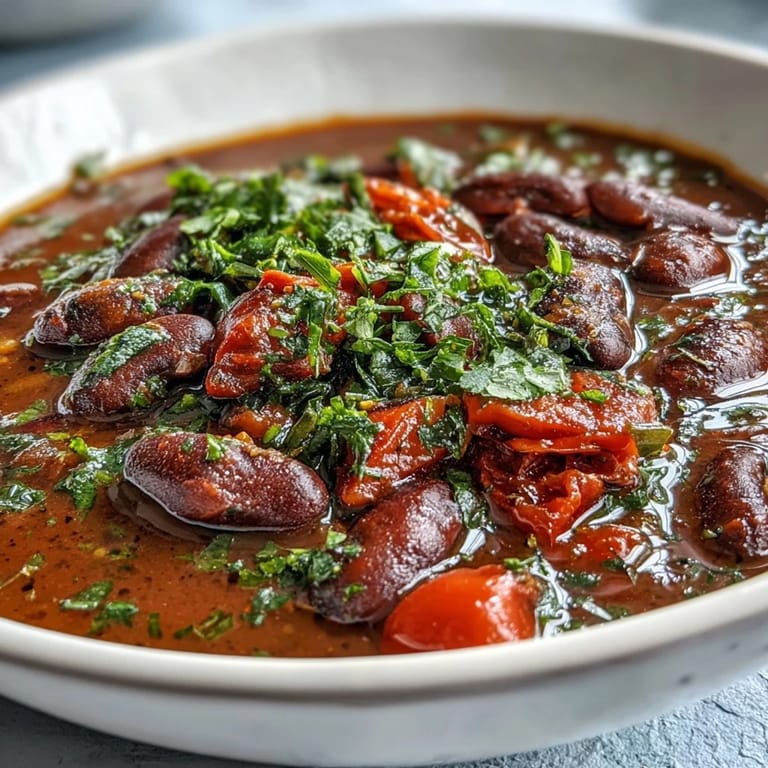
Save There's a moment during the cooking—around the forty-minute mark—when you lift the lid and the steam rises and suddenly it smells so complete that you feel like you've made something matter. My daughter once told me that watching me make this stew was like watching someone write a letter to someone they loved, and I've never quite forgotten that.
The Soul of Collard Greens
Collard greens seem humble until you understand what they do in a pot—they create something earthy and deep that can't come from anywhere else. I learned from trial and error that they need time, that rushing them makes them bitter and defeated, but slow cooking transforms them into something almost sweet. The longer they sit in that broth, the more they give, and that's not just cooking, that's trust.
Black-Eyed Peas and What They Bring
These peas are tradition and nutrition and something closer to comfort than most people realize they need. They're soft enough that they almost dissolve into the broth, but they keep their shape just enough that you know you're eating something real and whole. I started cooking dried ones from scratch because something about the ritual of soaking and simmering them first made the whole stew feel like it mattered more.
Seasoning and the Courage to Taste
The apple cider vinegar is the thing I almost forgot the first dozen times I made this, and then one day I remembered and everything clicked into place like a lock finally turning. Salt and pepper aren't just flavors here—they're the way you assert that this is your stew, seasoned to the way your mouth and your memory want it. This is why tasting as you go matters, why you shouldn't trust just following what someone wrote down, because your stove might run hotter, your vegetables might be sweeter, and only you know what home tastes like.
- Add the vinegar at the very end so it stays bright instead of cooking away into nothing.
- Taste in small spoonfuls and adjust gradually—you can always add more salt, but you can't take it back out.
- If you want more smoke and richness, add a teaspoon of liquid smoke or some diced smoked turkey when you sauté the vegetables.
 Save
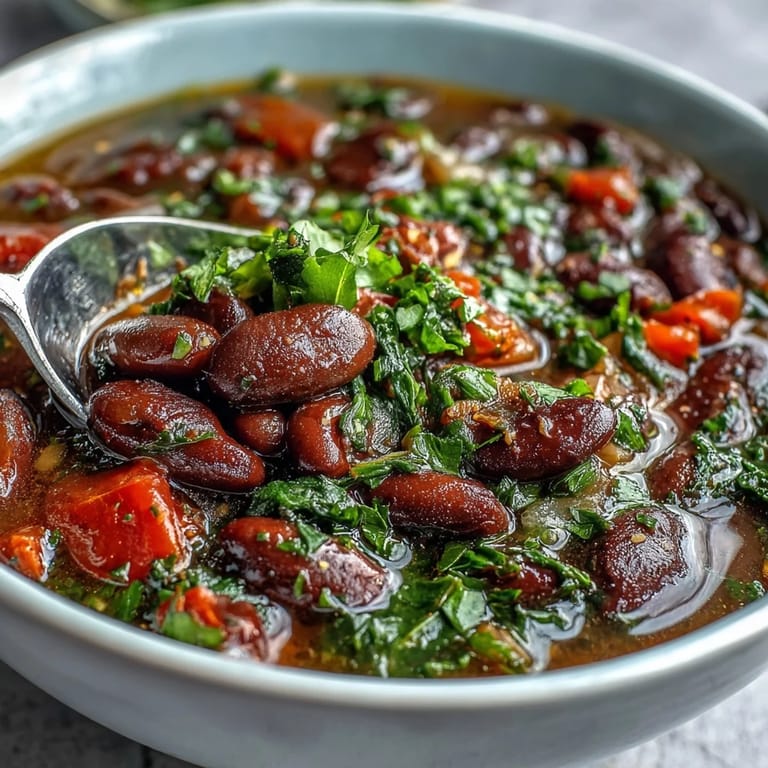
Save This stew is what I make when I want to say something without words, when I want to take care of people in the way my grandmother took care of me. It's still the best teacher I know.
Recipe FAQs
- → What makes the stew flavorful?
A combination of smoked paprika, dried thyme, garlic, and a splash of apple cider vinegar creates deep, smoky, and tangy notes that enhance the ingredients naturally.
- → Can I add meat to this dish?
Yes, diced smoked turkey or ham can be sautéed with the vegetables, or liquid smoke can be added for richer smoky flavor without meat.
- → How do I adjust the heat level?
Increase jalapeño or cayenne pepper amounts to add spiciness. Omit these for a mild version suitable for all tastes.
- → What is the best way to prepare collard greens for this stew?
Remove the tough stems and chop the leaves into bite-sized pieces before cooking. Sauté briefly to soften before simmering.
- → What side dishes complement this stew?
Cornbread pairs beautifully, balancing the smoky and savory flavors with its slight sweetness and tender crumb.
- → Can this stew be made gluten-free and vegetarian?
Yes, using vegetable broth and omitting smoked meats ensures it fits gluten-free and vegetarian diets without sacrificing flavor.